
5 basic exercises people always do wrong
Find Your Personal Trainer
Published: March 20, 2025
When it comes to fitness, we all want to get the most out of our workouts, but sometimes, we unknowingly make mistakes that hinder our progress. From improper form to skipping key techniques, exercises people always do wrong can potentially lead to injuries and slower results. Whether you’re lifting weights, running, or focusing on resistance training, it’s crucial to know how to perform each move correctly for maximum benefit. A personal trainer in Dubai can provide tailored guidance, helping you refine your technique while exercising. Let’s discuss some common exercises done incorrectly and how to fix them for better, faster, stronger workouts.
Common Mistakes in Squats: An Exercise People Always Do Wrong
In addition to strengthening your legs and glutes, squats improve mobility, enhance balance, and boost overall functional strength, making them a versatile exercise for full-body fitness. Make a note that that squats are also a great abs workout because they engage your core for stability. Squats are a fundamental exercise, but they’re often done incorrectly, leading to poor results or even injury. Some of the most common mistakes people make include rounding the back, letting the knees cave inward, or not going low enough. These errors can place unnecessary stress on your joints and limit the effectiveness of your workout.
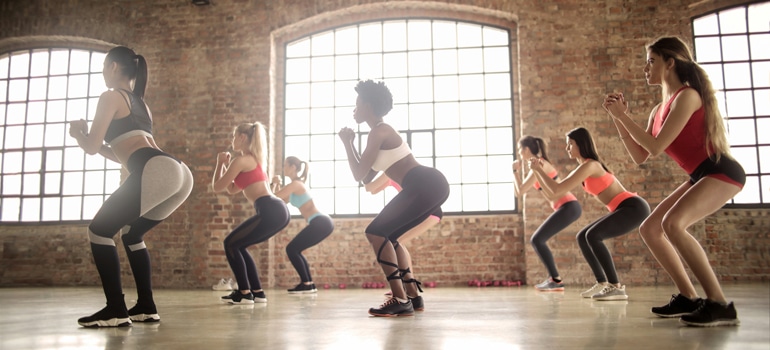
To fix these issues, focus on keeping your chest up and engaging your core throughout the movement. Push your hips back as if you’re sitting in a chair, and make sure your knees track directly over your toes—never letting them collapse inward.
Push-Ups: The Top Errors in Exercises People Always Do Wrong
Push-ups are a classic bodyweight exercise that targets the chest, shoulders, triceps, and core. However, they’re often done incorrectly, making them one of the common exercises people always do wrong. These mistakes include letting the hips sag, flaring the elbows out too much, or not lowering yourself deep enough. These errors can cause strain on your lower back, wrists and shoulders, causing a discomfort during or after a workout.
To perform push-ups correctly, keep your body in a straight line from head to heels, avoiding any sagging in the hips. Lower yourself until your chest nearly touches the ground, ensuring your elbows stay at a 45-degree angle from your body. If you’re doing push-ups as part of a home workout, it’s important to pay attention to your form since you may not have a trainer to guide you.
Deadlifts Gone Wrong: Key Tips for Proper Form in Resistance Training
Deadlifts are a powerhouse exercise, offering incredible benefits for building strength in the hamstrings, glutes, lower back, and core. They’re one of the best movements for total-body strength, if done correctly. Unfortunately, deadlifts are one of the exercises people often do wrong, leading to potential injuries and ineffective workouts. Common mistakes include rounding the lower back, relying too much on arm strength, or jerking the weight up too quickly, which can strain your spine and joints.

To fix these issues, engage your core before lifting and keep your spine neutral throughout the movement. Focus on hinging at the hips rather than bending your back, and drive through your heels to lift the weight. If you’re working out at home, adjustable dumbbells are a great tool in an apartment without needing a full gym setup.
Lat Pulldown: How to Avoid Common Exercises People Always Do Wrong
The lat pulldown is an excellent exercise for targeting the upper back, specifically the latissimus dorsi (lats), helping to build strength and width. They are an excellent way to build upper body strength, as they engage multiple muscle groups with every rep. Lat pulldowns are one of the exercises people always do wrong, which can increase the risk of injury. Common mistakes include using momentum to yank the bar down, pulling the bar behind the head, or failing to engage the lats properly.
To fix these issues, lean slightly back, keeping your chest lifted. Pull the bar down to your chest with control and make sure you’re using your lats and not relying on momentum. As you pull the bar, focus on squeezing your shoulder blades together to fully engage the target muscles. By mastering proper form, you can maximize the benefits and minimize injuries.
Planks: Why You Might Be Doing This Exercise Wrong and How to Fix It
Planks are a fantastic core exercise that engages the abdominals, lower back, shoulders, and glutes. They are an excellent addition to a routine focused on exercises to lose belly fat, as they help tone the core. However, planks are one of the exercises people always do wrong, usually leading to discomfort. Common mistakes include letting the lower back arch, dropping the hips, or holding the position incorrectly.
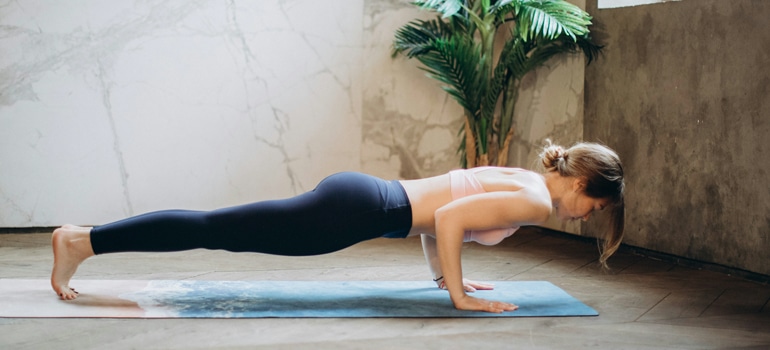
To fix these issues, ensure your body forms a straight line from head to heels, keeping your neck in a neutral position. Engage your core to support your spine, and avoid letting your hips drop or rise too high. By maintaining proper form, planks can effectively target your core muscles, supporting your fat loss goals.
All of these exercises represent resistance training, which incorporated into your routine can significantly improve muscular strength, weight loss, endurance, and overall health. No matter if done by using bands, dumbbells, or your body weight, these exercises offer numerous benefits. If done correctly, they will help you on your health journey, and promote weight loss, better bone health, and improved cardiovascular function. By focusing on proper form and consistency you can avoid mistakes, and easily achieve a stronger body, enhance your daily function, and support long-term wellness.


 CALL NOW


