
5 Psychological Benefits of Holding Poses Longer
Find Your Personal Trainer
Published: March 24, 2025
The way we hold our bodies has a profound impact on our minds. While moving through poses builds strength and flexibility, there are numerous psychological benefits of holding poses longer. This practice goes beyond the physical – it challenges mental endurance, enhances self-awareness, and fosters emotional resilience. In today’s fast-paced world, we are often conditioned to seek constant movement and instant results. However, learning to pause and embrace stillness can be just as powerful. Holding poses teaches us to stay present despite discomfort, rewiring our minds to respond to challenges with greater patience and control. Over time, this practice helps reduce stress, regulate emotions, and cultivate a stronger mind-body connection. By slowing down and deepening our awareness, we unlock various mental and emotional benefits beyond our yoga or fitness routines.
1. Increased emotional resilience
Holding a pose for an extended period trains not just your body but also your mind. As discomfort arises, you learn to stay present, breathe through the challenge, and resist the urge to give up. This practice builds mental endurance, helping you manage stress and difficult emotions in everyday life. One of the key psychological benefits of holding poses longer is the development of mental resilience, allowing you to stay calm and focused even in challenging situations. Working with experienced professionals, like DubaiPT Personal Trainers, can further enhance your ability to develop both physical and mental resilience. Over time, you become more adaptable, better equipped to navigate frustration, anxiety, or uncertainty without feeling overwhelmed. Just as your muscles adjust to holding a position longer, your mind strengthens its ability to endure and process emotions with greater ease.
2. Enhanced mind-body awareness
Holding a pose for an extended period encourages you to become more attuned to your body’s subtle signals. You start noticing small shifts in muscle engagement, balance, and breath, improving your proprioception—the sense of where your body is in space. Many people enhance this awareness through practices like yoga or Pilates classes in Dubai, which focus on controlled movements and mindful breathing.
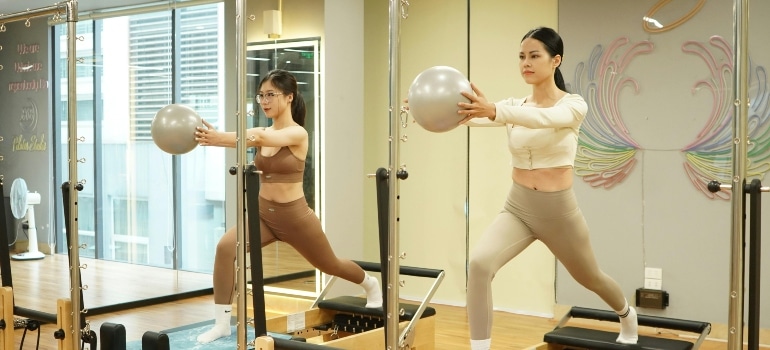
This heightened awareness extends beyond the physical, helping you recognize how emotions manifest in the body. As you hold stillness, you become more mindful of tension, discomfort, or ease, allowing you to respond with greater intention. Over time, this deeper connection fosters better emotional regulation and a stronger sense of inner harmony.
3. Activation of the parasympathetic nervous system
Holding poses for longer durations helps activate the parasympathetic nervous system, which is responsible for rest and relaxation. As you breathe deeply and settle into the stillness, your body gradually shifts away from the fight-or-flight response. This leads to several key benefits:
- Reduced stress hormones, helping to lower overall stress levels;
- Slower heart rate, promoting a deep sense of calm;
- Improved emotional balance, making it easier to manage anxiety;
- Enhanced nervous system regulation, allowing for better relaxation and resilience.
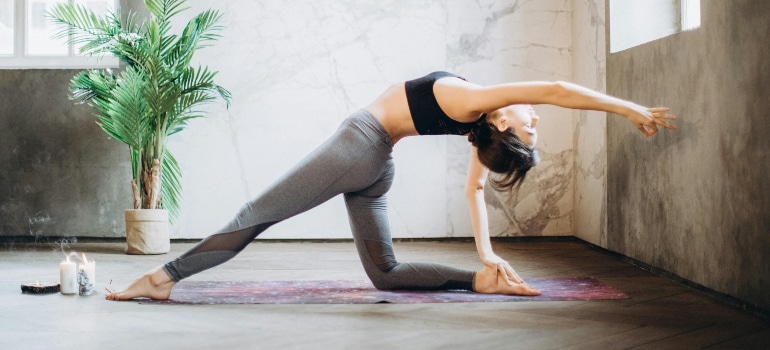
One of the psychological benefits of holding poses longer is its ability to train the nervous system to embrace stillness, making it easier to manage stress and anxiety. Many dynamic yoga styles, such as power yoga in Dubai, incorporate movement and longer holds to enhance mental and physical resilience. Over time, practicing sustained holds cultivates inner peace that extends beyond your yoga or fitness routine and into daily life.
4. Psychological benefits of holding poses longer: developing patience and self-control
Holding a pose for an extended period requires mental discipline and the ability to resist the urge to move or quit. This practice strengthens impulse control, teaching you to stay present despite discomfort. As you build patience on the mat, you develop greater self-control in everyday life, particularly in:
- Managing emotions, by responding thoughtfully rather than reacting impulsively;
- Making better decisions, with increased focus and clarity;
- Handling challenges calmly, without feeling overwhelmed by stress.
A balanced lifestyle, including mindful movement and healthy meal plans in Dubai, can further support mental clarity and emotional stability.

Over time, this ability to pause before reacting fosters emotional resilience and improves your overall well-being. Just as muscles grow stronger with repetition, so do patience and self-regulation through consistent practice.
5. Release of deep-seated tension and stored trauma
Holding poses, especially hip openers and heart openers, can unlock deep-seated emotional tension stored in the body. Stress and trauma often manifest physically, creating tightness in muscles and connective tissues. As you settle into a pose, you may experience an emotional release—whether through a deep sigh, a sudden wave of emotion, or even tears. This process allows suppressed stress to surface and be processed in a safe, controlled way. One of the psychological benefits of holding poses longer is the ability to access and release stored emotions, fostering greater emotional balance and self-awareness. Incorporating practices that support mental wellbeing can further enhance emotional balance and self-awareness. Over time, consistent practice helps you let go of emotional burdens, promoting a greater sense of lightness, relief, and overall well-being.
Remember – stillness is strength
In a fast-paced world, the ability to slow down and be present is a powerful skill. As we can see, the psychological benefits of holding poses longer are just as, if not more, significant than just a test of physical endurance. It strengthens resilience, deepens self-awareness, and cultivates a sense of inner peace that extends far beyond the mat. As we embrace the discomfort and stillness, we develop the patience and clarity needed to navigate life’s uncertainties with greater ease. Over time, this practice reshapes how we move and think, feel, and respond to the world around us—helping us build a more balanced and mindful life.


 CALL NOW


