
6 Small Diet Habits That Help Maximize Muscle Growth
Find Your Personal Trainer
Published: April 24, 2025
Building muscle requires more than just lifting weights — your daily food choices matter just as much. Even small diet habits that help maximize muscle growth can lead to noticeable improvements over time. Instead of following strict meal plans, focus on consistent eating strategies that align with your fitness goals. Many DubaiPT Personal Trainers encourage clients to build strength through nutrition just as much as through exercise. The right habits make a difference, especially when paired with the right training routine
Eat protein with every meal
Include protein in every meal to keep your muscles growing. Your body uses protein to repair and build muscle tissue. Eating it regularly gives your muscles a steady supply of what they need. Aim for eggs at breakfast, chicken or tofu at lunch, and fish or lean beef at dinner. This steady intake supports growth more effectively than loading up all at once.
Spacing protein throughout the day helps prevent muscle loss. Long gaps without food can slow your progress. A muscle building diet plan works better when you eat protein every 3–4 hours. Try adding Greek yogurt, cottage cheese, or a protein shake between meals. This habit supports training goals, keeps you fuller longer, and improves recovery after workouts. Focus on whole food sources when possible, and keep meals balanced to make protein part of your routine.
Don’t skip breakfast
Skipping breakfast delays muscle recovery and slows energy use. After sleep, your body needs fuel to function and grow. A balanced breakfast helps muscles start the day strong. Include protein, carbs, and healthy fats. Eat eggs with toast, oatmeal with peanut butter, or Greek yogurt with fruit. These simple meals give your body what it needs to build muscle and stay energized, especially before morning workouts or training.
Muscles grow better when they get early nutrients. Waiting too long to eat can break down muscle tissue. A strong start supports better results throughout the day. Many fitness meal plans Dubai trainers recommend suggest eating within an hour of waking up. This habit boosts performance, keeps hunger in check, and supports steady muscle gain. Keep breakfast simple but complete, and build it into your daily routine to stay on track with your fitness goals. Here are some great breakfast options you want to incorporate into your diet:
- Cottage cheese with pineapple and almonds
- Whole-grain wrap with turkey, avocado, and spinach
- Protein pancakes with chia seeds and blueberries
- Smoked salmon on whole-grain crackers with cream cheese
- Tofu scramble with quinoa and mixed veggies
Adding a meal or snack is one of the small diet habits that help maximize muscle growth
By assisting you in reaching a calorie surplus, adding one meal or snack throughout the day promotes muscle building. After exercise, muscle tissue requires additional energy to develop and heal. Quick strategies to increase intake include simple additions like cottage cheese with fruit, a peanut butter sandwich, or a protein smoothie. Protein and calories are essential for gaining muscle mass, and these foods supply both. For comfort, eat them in between meals.
If your training is consistent but progress is slow, your total intake may be too low. A small change in eating can help close that gap. For example, adding a 300-calorie snack with 20 grams of protein can support recovery and growth. A smart gym diet plan for muscle gain often includes spaced meals and snacks that fit your schedule and energy needs without making you feel too full or tired to train.

Focus on post-workout nutrition
Eating protein and carbs an hour after working out encourages the growth and repair of muscles. Protein drinks with a banana, grilled chicken with rice, or eggs with a bagel all provide quick digestion and strong recovery assistance. Because muscle cells absorb nutrients more quickly just after exercise, this timing is essential. It is one of the small diet habits that help maximize muscle growth and improve long-term results.
It is not optional to treat your post-workout meal as a final set. Try to have 20–30 grams of protein and 30–50 grams of carbohydrates. It works nicely with a simple whey smoothie made with oats or low-fat yogurt and fruit. Steer clear of slow-digesting meals and high fats because fast-digesting foods are more effective. Better strength increases, quicker recovery, and consistent improvement between training sessions are all supported by this habit when practiced regularly.
Stay consistent with water intake
Muscles need water to grow, repair, and perform. Even small drops in hydration can slow recovery and reduce strength. Drink water consistently throughout the day—not just at the gym. Use clear urine as a quick hydration check. Carrying a bottle helps build the habit. Staying hydrated also supports digestion and energy. For anyone working with a personal trainer for muscle building, water intake should be tracked as closely as calories or protein.
Your body absorbs nutrients more quickly when you are hydrated. This implies that when your muscles need them most, protein, amino acids, and carbohydrates reach them. Dehydration degrades results and delays delivery. Instead of consuming big quantities at once, try to take tiny sips every hour. If you want variation, add salt or fruit to the water. More important than volume is consistency, and maintaining this practice lays the groundwork for muscles that are stronger, leaner, and function better.
Limit empty calories
Limit empty calories during a bulk. Eating foods with added sugar or fried in poor-quality oils increases fat storage. This extra fat hides muscle growth and makes it harder to track real progress. Choose clean sources: grilled chicken, brown rice, oats, berries, and broccoli. These support muscle repair and limit fat gain. Avoid soda, candy, pastries, and fast food. They slow growth by filling your body with low-value energy.
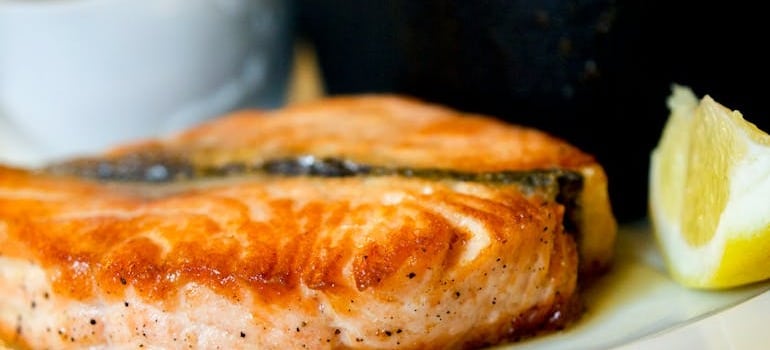
Focus on nutrient-rich meals. Eat meals that include lean protein, complex carbs, and fiber. For example, a meal of salmon, quinoa, and spinach – an option rich in nutrient-dense foods for muscle gain—fuels recovery without excess fat. Drinking water instead of sweet drinks also helps digestion and performance. The goal is to fuel growth, not just fill your stomach. Stay consistent with quality food choices to support steady, visible gains. Let every calorie work for your progress.
Make small changes for a big result
Sticking with small diet habits that help maximize muscle growth makes a big difference over time. Each simple step builds momentum, especially when your training routine already works hard for you. Both consistency and smart food choices give your body what it needs to recover and grow stronger. Even small changes, done daily, support better results without overcomplicating your plan. Start with one habit, track your progress, and stay patient. Your gains will come, one meal and one workout at a time.


 CALL NOW


