
8 Ways Hydration Affects Performance and Recovery
Find Your Personal Trainer
Published: March 25, 2025
Staying properly hydrated plays a crucial role in both performance and recovery. Drinking enough water boosts energy levels, reduces fatigue, and supports mental clarity and muscle function. Despite its importance, many people overlook hydration—yet it directly impacts workout quality and recovery speed. A personal coach in Dubai can help tailor your daily water intake based on your body weight and activity level, which helps prevent tiredness and maintain steady training. Intense, sweaty workouts cause electrolyte loss, which can disrupt muscle contractions. Replenishing those electrolytes improves overall exercise output. Among the many ways hydration affects performance and recovery, enhanced focus, better endurance, and faster healing stand out. Simply put, water is a powerful ally in any long-term fitness journey.
Boosts Muscle Function and Strength
Water plays a vital role in muscle function and nutrient delivery. When your muscles are well-hydrated, they contract more efficiently and respond better to intense lifting. Hydration also helps flush out waste products, reducing fatigue during tough sets. In contrast, dehydrated tissues tend to feel weaker and accumulate lactic acid more quickly. Staying consistently hydrated leads to more stable performance and longer, more effective training sessions. Matching your fluid intake to sweat loss can also reduce the risk of cramps. Ultimately, regular water intake is closely tied to strength gains and overall workout quality.
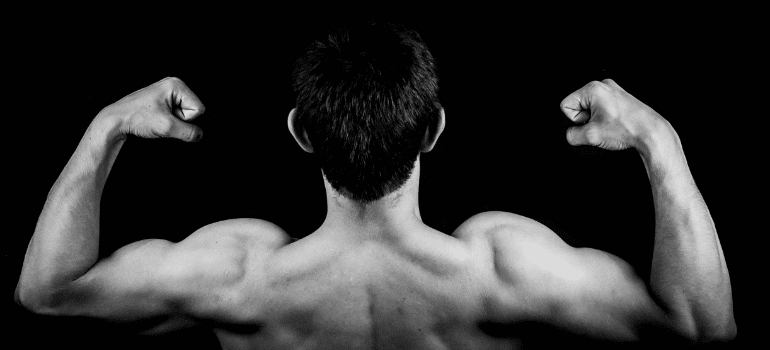
Strength gains rely heavily on consistent hydration. Protein synthesis—essential for muscle repair and growth—requires a stable, well-hydrated environment. When fluid intake is low, muscle cells become dehydrated, slowing down the body’s ability to adapt and recover. Adequate hydration also ensures proper blood flow, which helps deliver amino acids to active muscle fibers, accelerating recovery after intense reps. Many lifters focus solely on calories and protein, but overlook the crucial role of water. In reality, muscles respond best when fluid levels are steady, making hydration a key factor in maximizing strength development. A well-rounded diet plan for muscle gain pairs perfectly with consistent hydration.
Water also helps protect the body from heat stress during extended strength sessions. Intense workouts raise your core temperature, which can quickly drain energy and slow performance. Staying well-hydrated helps regulate that rise, keeping your body cooler and more efficient. Among the many ways hydration affects performance and recovery are improved lifting precision and quicker post-workout relief. When your cells stay energized and supported, progress becomes more noticeable—and more sustainable. Consider an abs workout alongside proper hydration to maintain form through challenging reps. Rest, along with water intake, create the path to steady gains.
Improves Endurance and Stamina
Endurance hinges on fluid balance within the bloodstream. Low reserves force the body to slow down, which lowers power output. Many athletes feel early fatigue when sweat losses go unreplaced. Steady water intake also stabilizes heart rate. That balance assists blood pressure, so oxygen reaches working muscles. Focus improves as well, letting you maintain a steady pace. Frequent sips guard against sudden dips in performance. A hydrated system preserves energy for longer distance efforts.
Marathoners and triathletes often rely on proper fluid strategies for lasting performance. Water supports the body through extended sessions that demand consistent effort. This principle also benefits cyclists, swimmers, and hikers. Electrolyte levels remain more stable with regular water intake, which reduces cramping. The ways hydration affects performance and recovery become clear when muscles bounce back quickly after hard intervals. Quick fluid breaks between segments help manage fatigue. A structured plan leads to fewer setbacks. Try a hiit workout for higher-intensity gains.

Higher endurance needs mental focus, too. Water cools the core, which helps control overheating during tough events. That thermal regulation preserves stamina and reduces strain. Clear thinking emerges when the brain remains hydrated, preventing confusion at critical moments. Steady water consumption helps runners avoid the dreaded “wall” and keeps swimmers powering through final laps. Cycling climbs feel smoother when fluid levels stay balanced. A careful approach to hydration propels you further with greater confidence.
Supports Joint Health and Flexibility
Joints rely on fluid-filled cushions that protect bones. Adequate water intake keeps those cushions intact. Dehydration depletes this protection, causing friction that can trigger soreness. Stable fluid levels allow smooth, unrestricted movement. Athletes avoid many sprains when ligaments glide freely. Water also carries nutrients to areas around knees, hips, and shoulders. That circulation promotes better comfort during repetitive motions. Pain often decreases when connective tissues stay hydrated. Having proper water intake fosters healthier joints over time.
Flexibility improves when muscles and tendons stay lubricated. Dry tissues lose elasticity and become prone to tears. Water sustains pliable fibers, which dancers, gymnasts, and lifters find beneficial. Stiffness also decreases when inflammation remains under control. Consistent fluid intake can manage that inflammation and support a complete range of motion. Yoga sessions feel smoother when hydration underpins every stretch. An emphasis on water consumption can also reduce post-class aches that otherwise derail progress.

Protecting joints demands close attention. Skipping water breaks invites longer recovery times and lingering discomfort. Frequent sipping during home workouts supports stable joint function and quicker relief afterward. That habit also diminishes the pressure that leads to swelling. Athletes who value longevity place hydration high on their priority list. Tending to water needs pays dividends in agility and strength. The ways hydration affects performance and recovery include preserving joint health for a lifetime of movement.
Enhances Oxygen and Nutrient Delivery
Adequate water intake keeps blood volume high. That level of volume streamlines oxygen delivery and speeds nutrient transport. Muscles work harder and longer when they get these resources promptly. Water also helps hormones move where they are needed. Intense efforts rely on a responsive metabolic system. Hydration underpins that responsiveness. Skipping fluids leads to narrow vessels, stalling progress. Many athletes discover renewed endurance after boosting their water intake. Every cell functions better with sufficient hydration.
Oxygen transport depends on wide, unobstructed blood vessels. Dehydration constricts those pathways, reducing your performance. The ways hydration affects performance and recovery include faster healing, thanks to steady nutrient flow. Replacing lost fluids after a grueling session prepares the body for future challenges. Cardiac function also improves with regular sips, aiding overall stamina. Some people notice fewer midday energy crashes when they prioritize water. This boost enhances any program that involves intense physical work.
Well-hydrated systems optimize nutrient distribution. Carbs, protein, and vitamins all flow efficiently, fueling muscle contractions. A consistent supply of fluids also washes away metabolic byproducts. That cleanup helps muscles adapt without excess soreness. Pair hydration with sound Dubai meal plans for a balanced approach. Nutritious foods and steady water intake keep you ready for tough workouts. Improved circulation benefits sprinters and powerlifters alike. Solid hydration habits often separate moderate results from remarkable gains.
Regulates Body Temperature
Temperature control relies on sweating. Sweat cools the skin’s surface, protecting the body from overheating. Intense sessions produce copious perspiration, draining fluids quickly. Replacing that water shields you from heat-related fatigue. Sunny environments magnify dehydration risks, making fluid intake even more important. Many athletes track sweat loss to gauge how much to drink. That vigilance can prevent sudden performance drops. Proper hydration also supports internal cooling, easing strain on muscles and vital organs.
Water acts like an internal air conditioner. Blood absorbs heat from active tissues, then releases it through the skin. This cycle falters when fluid levels dip. The ways hydration affects performance and recovery become more obvious in hot weather. Extra water intake fends off overheating, which otherwise slows you down. Electrolytes also matter. Balanced minerals keep the heart beating normally under stress. Replenishing fluids right after activity helps the body return to normal faster.
Overheating disrupts many metabolic functions and cuts workouts short. Drinking small amounts during intervals stabilizes core temperature. High-intensity circuits often require greater attention to fluids. That practice promotes stamina when the heat index climbs. A targeted water plan pairs well with fat-burning workouts, delaying exhaustion and aiding results. Athletes who manage temperature effectively see fewer setbacks. The body endures heavy loads when cooling processes work properly. Hydration supports these processes, extending training capacity and overall comfort.
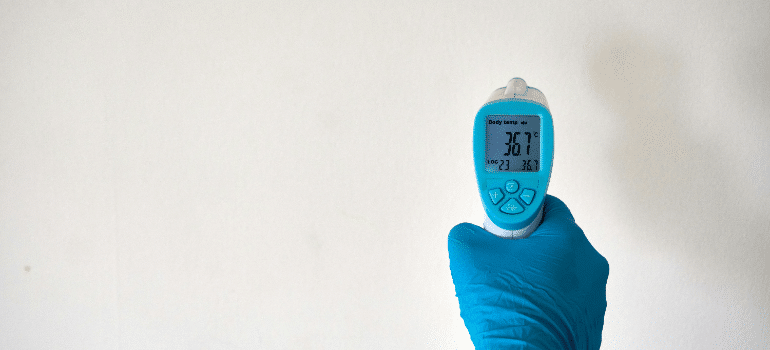
Reduces Muscle Soreness and Speeds Up Recovery
Strenuous workouts cause tiny tears in muscle fibers, and hydration plays a major role in how quickly your body repairs them. Water supports healthy blood flow, helps flush out lactic acid, and reduces post-workout soreness. Athletes who stay hydrated often recover faster, train more frequently, and feel less drained between sessions.
Here are key ways hydration affects performance and recovery:
- Supports blood flow to deliver nutrients and remove waste
- Helps disperse lactic acid, reducing muscle soreness
- Regulates swelling by balancing cell volume
- Improves digestion and nutrient absorption from protein-rich meals
- Maintains steady energy levels throughout the day
- Reduces downtime between training sessions
Hydration also helps protect motivation—less soreness means you’re more likely to stay consistent. For best results, combine regular water breaks with guidance from personal trainer for muscle-building. Every sip counts toward stronger, faster progress.

Maintains Mental Focus and Coordination
Dehydration clouds attention and slows reaction time. Motor skills suffer when the body lacks fluids. Clear thinking supports precision during complex drills. Athletes who stay hydrated notice fewer errors under pressure. A calm mood also emerges with balanced fluids. Quick sips keep your mind sharp, even in high-intensity settings. Dryness in the bloodstream can disrupt the link between brain and muscles. That disruption spells trouble for coordination, which depends on timely communication throughout the body.
Proper hydration boosts clarity across each workout. The ways hydration affects performance and recovery extend beyond physical resilience. Mental acuity shapes decision-making in fast-paced sports. Stable fluid levels help maintain agile footwork and better transitions between exercises. Dry tissues slow nerve signaling, creating small lags that can alter outcomes. Focus remains steadier when the body receives enough water. Athletes who value precision should treat hydration with the same importance as warmups and cool-downs.
Sharp thinking elevates daily tasks, too. Here are tips for consistent alertness:
- Drink water before challenging sessions.
- Keep a bottle close during routines.
- Estimate sweat loss and replenish fluids promptly.
- Check urine color for a quick status update.
Short breaks with water help your brain recharge. Cardio exercises and strength circuits both benefit from improved concentration. Runners avoid missteps when mental energy stays intact. Lifters sustain better form under pressure. Hydration fuels coordination and helps every rep matter.
Prevents Fatigue and Promotes Energy Levels
Even slight dehydration weakens overall energy. Reduced fluid volume hampers nutrient transport, creating sluggishness. Workouts feel heavier, and daily tasks lose their spark. Motivation also dwindles when you’re low on fluids. Rest intervals may lengthen, stalling progress. Steady water intake counters these lulls by keeping metabolism active. Each sip adds a subtle boost that accumulates over time. Research shows that well-hydrated people typically perform better and recover faster. Alertness levels remain higher with consistent hydration.
Cellular energy hinges on chemical reactions that require water. Electrolytes dissolve and spark muscle contractions, but dryness stalls these reactions. Quick sips during breaks keep momentum alive. Athletes who stay hydrated often see improvements in both power and endurance. Office workers also report clearer focus when they drink enough water. This strategy spans various lifestyles. Start each morning with a glass of water to jump-start your system. Extra fluids maintain that vitality through midday slumps.

Higher energy means more freedom to pursue goals. Weight loss trainers often highlight hydration as a missing puzzle piece. Frequent fluid intake supports better portion control by reducing false hunger signals. That advantage keeps nutritional plans on track. Extra pep also leads to more effective workouts, building a cycle of sustained improvement. The ways hydration affects performance and recovery include stamina for multiple sessions each week. Small changes in water habits deliver major returns in well-being.
Be The Best Version of Yourself
Hydration supports every pillar of fitness, from strength and endurance to flexibility, focus, and recovery. Water plays a critical role in nutrient delivery, temperature regulation, muscle function, and post-workout relief. When fluid intake falls short, so does your progress—fatigue sets in faster, soreness lasts longer, and energy levels drop. On the other hand, consistent hydration boosts performance at every stage and allows for quicker recovery, enabling more frequent and effective training sessions. The ways hydration affects performance and recovery extend well beyond physical benefits—sharper mental clarity, better mood, and sustained motivation all come with staying properly hydrated. Even simple habits, like keeping a water bottle nearby, can elevate your workouts and help you reach your fitness goals faster.


 CALL NOW


