
Dynamic vs. Static Exercises: When to Use Each for Better Results
Find Your Personal Trainer
Published: January 9, 2026
Dynamic vs. static exercises shape your progress in different ways, and you feel the difference as soon as you start moving. You learn how each method supports strength, mobility, and comfort during training. You also understand when to choose one style over the other, which helps you train with more confidence. A female personal trainer Dubai can guide you through simple examples and show you how both methods work in real situations. As you read, you pick up clear, research-based tips you can use right away.
Benefits of Dynamic Training for Strength and Mobility
Dynamic training builds strength and mobility because your body moves through a full range with control. You activate more muscle groups, and you feel the difference quickly. Research from the Journal of Strength and Conditioning Research shows that dynamic warm-ups improve power and flexibility. You also increase your heart rate, which prepares your joints for harder work. Many people notice fewer tight areas when they use dynamic movements often.

For example, leg swings and arm circles help your body move smoothly during workouts. You also improve coordination because your body learns to move with purpose. Athletes use dynamic drills to boost speed and balance, and you can use the same approach in daily training. These movements fit every fitness level because you can adjust the speed and range. As you practice regularly, you build strength, move better, and feel more confident during exercise.
What Static Exercises Offer During Training and Recovery
Static exercises help you build control during training and recovery because you hold one position and engage your muscles with focus. You stay still, yet you feel steady tension that strengthens specific areas. This method works well when you need slow, controlled work that supports balance and stability. Many people who practice power yoga Dubai use similar holds to improve focus and joint control.
How Static Movements Help You Train
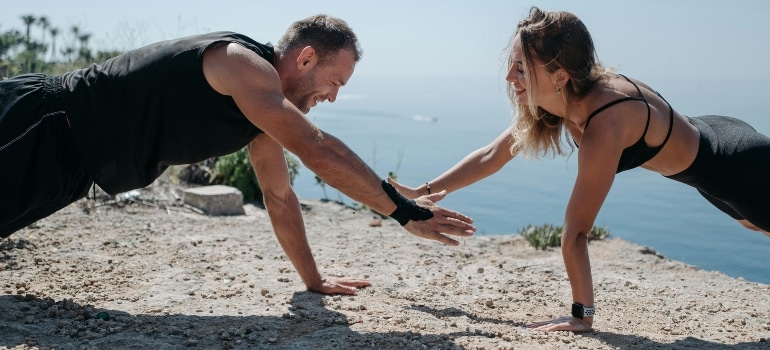
Static positions like planks, wall sits, and steady calf stretches target one area at a time. You feel your muscles work without rushing, and you learn how to maintain proper form. These holds also help you stay aware of your body, which supports safe movement during workouts.
How Static Holds Support Recovery
Static stretches help your muscles relax after training. You improve your range of motion when you stay in a stretch for several seconds. You also give your body time to slow down, breathe, and release tension after intense sessions.
When Static Movements Support Strength and Balance
Static movements help you build strength and balance because you hold your position and engage specific muscles with steady control. You feel your body work harder as you keep the position, and you stay focused on proper form. These holds help your joints stay stable during training, and they support better coordination. For example, a plank challenges your core and improves your ability to maintain a steady posture.
A wall sit strengthens your legs and teaches your body to stay grounded under tension. Many people also use single-leg stands to improve balance, and these simple holds help you move with more confidence. Static training increases muscle endurance when you practice regularly, and you notice the difference in daily activities. These movements fit all fitness levels, and you can adjust the time and depth of each hold. As you stay consistent, you build strength, improve stability, and feel more control during workouts.
Dynamic vs. Static Exercises — Choosing the Right Method for Your Goal
Choosing the right method helps you match your training style with your daily goals because dynamic vs. static exercises support your body in different ways. You move with more confidence when you understand how each approach shapes your strength, flexibility, and balance.
When Dynamic Movements Fit Your Goal
Dynamic movements prepare your body for activity because you raise your heart rate and activate your muscles. You improve coordination, increase joint mobility, and get your body ready for harder work. You can use these movements before strength sessions, cardio routines, or pilates classes in Dubai, since they help you warm up safely and move with better control.

When Static Movements Fit Your Goal
Static holds support strength building, balance, and slower sessions. You stay in one position and feel steady tension in specific muscles. You use these holds during cooldowns, mobility routines, or days when your body needs calmer training. This method supports stability and helps you focus on controlled movement.
How to Combine Both Methods for Better Progress
You can combine dynamic and static exercises to improve overall strength, flexibility, and balance during each workout. Start your session with dynamic movements like leg swings, arm circles, or jumping jacks to warm up muscles and increase blood flow. These exercises prepare your joints and reduce injury risk.
Next, include static holds such as planks, wall sits, or calf stretches to target endurance and stability. Research shows that mixing both methods improves muscle activation and coordination more than using one style alone. You can also alternate between dynamic and static exercises in circuits to challenge your body in multiple ways.
For example, after a set of lunges, hold a wall sit for 20–30 seconds to strengthen your legs while improving balance. Practicing this combination consistently helps you move more efficiently, supports proper posture, and allows steady progress toward fitness goals.
Training Mistakes You Should Avoid When Using These Methods
Even the best exercises lose their benefit if you make common mistakes. You need to pay attention to how you use dynamic vs. static exercises to get better results. Small errors can reduce progress and increase injury risk, so learning what to avoid helps you train smarter.
- Skipping warm-ups: Skipping dynamic warm-ups can make your muscles stiff and reduce your performance. You should start with light movements that raise your heart rate and prepare joints for activity, especially before intense sessions or cardio exercises.
- Holding static stretches too early: Static stretches before heavy lifting can lower strength temporarily. Save static holds for after your workout to support flexibility and recovery.
- Rushing movements: You lose benefits if you rush through exercises. Dynamic drills need control, and static holds need steady engagement.
- Ignoring form: Poor posture increases injury risk. Focus on alignment and controlled breathing to get the most from each exercise.
Dynamic vs. Static Exercises: Learn When to Use Each for Better Results
Understanding dynamic vs. static exercises helps you train smarter and improve results. You use dynamic movements to warm up, increase mobility, and prepare your body for activity. Static holds strengthen muscles, improve balance, and support recovery. Combining both methods in your routine builds strength, stability, and coordination. You avoid common mistakes when you pay attention to form, timing, and pacing. As you practice consistently, you notice better movement, less stiffness, and more confidence during workouts. Following these tips helps you progress safely and effectively.


 CALL NOW


