
How Long Should a Workout Really Last for Best Results?
Find Your Personal Trainer
Published: April 7, 2026
Many people wonder how long should a workout really last for best results? The answer depends on goals, fitness level, and workout type. However, consistency and intensity matter more than duration alone. Working with a personal trainer Dubai can help you design efficient sessions that maximize results in less time.
Understanding Workout Duration Basics
Workout duration is not one-size-fits-all. The right session length depends on your fitness goals, training style, and experience level. For example, fat loss workouts may look different from muscle gain sessions, which is why a personalized approach matters.
Beginners often do well with shorter, more focused workouts, while advanced athletes may benefit from longer sessions. Still, longer is not always better. In many cases, a focused 30-minute workout can be more effective than a distracted 60-minute session.
Ideal Workout Length for Most Goals
In general, the most effective workouts last between 30 and 60 minutes. This time range can support common fitness goals such as strength, endurance, and fat loss. That said, workout structure matters more than length alone. A well-planned training session can improve performance, support recovery, and make each workout more effective.
Here is a simple breakdown depending on the type of routine:
- 20–30 minutes: HIIT and quick fat-burning sessions
- 30–45 minutes: Balanced strength and cardio workouts
- 45–60 minutes: Full-body training or advanced routines
Therefore, choose a duration based on your fitness goal.
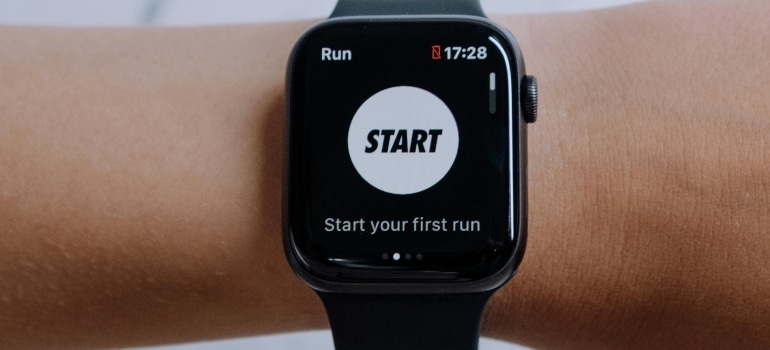
Why Longer Workouts Are Not Always Better
Many people assume longer workouts lead to better results, but that is not always the case.
Overtraining can cause fatigue, lower performance, and increase the risk of injury. Very long workouts may also make recovery harder, which can affect progress over time.
Instead of focusing only on workout length, prioritize intensity, structure, and consistency. In many cases, shorter, well-planned workouts deliver better long-term fitness results than longer, less focused sessions.
The Role of Workout Structure
Structure plays a major role in workout effectiveness because it helps you stay focused, efficient, and consistent. A well-planned workout routine usually includes three key parts: a warm-up, the main training session, and a cooldown, with each one supporting performance and recovery.
Rest intervals matter too. The right amount of rest between sets can help maintain strength, improve performance, and reduce fatigue during training. Overall, a structured workout routine supports balanced progress and better results over time.
Cardio vs Strength Training Duration
Cardio and strength training usually follow different workout durations, so it helps to understand how each one works. Cardio sessions often last between 20 and 40 minutes, which is enough to build endurance and support calorie burn.
Strength training workouts typically last 30 to 60 minutes. That gives you enough time for quality sets, proper rest, and good form throughout the session.
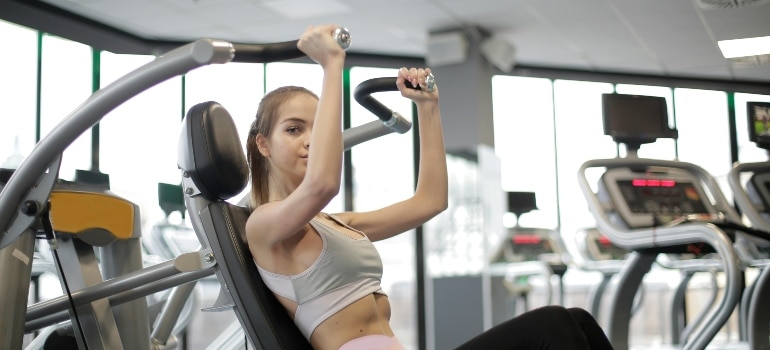
For example, incorporating cardio exercises improves heart health and supports fat loss goals.
Balancing both types of training leads to better overall fitness results.
How Intensity Affects Workout Time
Higher intensity workouts often take less time because your body is working harder in a shorter period. That is why HIIT workouts can be effective in just 20 to 30 minutes while still delivering strong fitness results.
Intense exercise can also raise energy use after the workout ends, a response often called the afterburn effect. For that reason, workout intensity can sometimes matter more than duration when the goal is better efficiency and long-term results.
Recovery and Workout Frequency
Recovery is just as important as workout length because progress depends on proper rest. Muscles recover and grow between sessions, not just during training, which is why rest days are essential for building strength and staying consistent.
Training too long or too often can also lead to burnout, lower performance, and reduced motivation. A balanced workout schedule with enough recovery time supports steady progress and better long-term results.
How Beginners Should Approach Workout Duration
Beginners should usually start with shorter workouts to build consistency, improve form, and avoid early fatigue. In most cases, 20 to 30 minutes is enough at the start. As fitness improves, workout duration can increase gradually over time.
Proper technique matters just as much as session length. Focusing on good form helps reduce injury risk and makes each workout more effective. A structured plan guided by a fitness professional can also support safe, steady progress.
Advanced Training and Longer Sessions
More advanced individuals can often handle longer and more intense workouts, but recovery still needs to stay part of the plan. Most advanced training sessions last around 45 to 60 minutes, depending on the goal and workout structure.
These sessions may include strength training, cardio, and mobility work, often with a stronger focus on progressive overload. That approach can help improve strength, endurance, and muscle growth over time. Even so, avoiding overtraining is essential for long-term performance and consistent results.
Technology and Smart Training Tools
Technology helps optimize workout duration and efficiency. Fitness apps provide structured plans and tracking tools. For example, using best workout apps helps monitor progress and stay consistent.
Additionally, apps can suggest workout duration based on your goals. This improves planning and performance.

Therefore, digital tools support smarter training decisions.
Common Mistakes with Workout Duration
Many people make mistakes when deciding workout length.
Avoid these common errors:
- Training too long without purpose
- Skipping warm-ups or cooldowns
- Ignoring rest periods
- Following random routines
- Overestimating workout effectiveness
Instead, focus on structured and goal-based training.
So: How Long Should a Workout Really Last for Best Results?
Understanding how long should a workout really last for best results helps you train smarter, not longer. Most effective workouts fall between 30 to 60 minutes. However, consistency, intensity, and structure matter more than time alone. Therefore, focus on quality training and proper recovery for lasting results.


 CALL NOW


