
Low-Impact Strength Workouts for Injury Recovery
Find Your Personal Trainer
Published: February 8, 2025
Low-impact strength workouts for injury recovery can be an effective way to rebuild strength and stamina without putting excessive strain on joints or muscles. These exercises focus on controlled movements that promote recovery while minimizing the risk of setbacks. Professional trainers play a key role in this process by tailoring workouts to individual needs, ensuring exercises are safe and effective. Consulting a medical professional is always a good precaution, and a skilled trainer should work within their recommendations to create a structured plan that supports steady progress. If you need extra guidance or motivation in your recovery journey, working with a personal trainer in Dubai can help you recover safely and regain confidence in your movement.
Chair Squats
Chair squats strengthen leg muscles while minimizing joint strain, making them a great option for injury recovery. Start by standing in front of a sturdy chair with your feet hip-width apart. Engage your core, lower yourself into a squat, and gently tap the chair with your glutes before returning to a standing position. Keep your back straight and your knees aligned with your toes to ensure proper form. This movement builds lower-body strength and reinforces good squat mechanics. Since it raises the heart rate, some consider it an aerobic exercise alternative for beginners looking to improve strength and endurance.
To reduce knee strain, begin by bending at the hips before bending your knees. You can increase the intensity by pausing briefly before standing or adding light weights like dumbbells for extra resistance. Always stay mindful of your alignment to avoid discomfort, and take breaks if you feel pain or unusual pressure. Perform multiple sets with a consistent form to see gradual improvements in strength and mobility. Over time, chair squats can help restore function and make everyday movements easier. Keep practicing, and you’ll notice steady progress.
Modified Wall Push-Ups
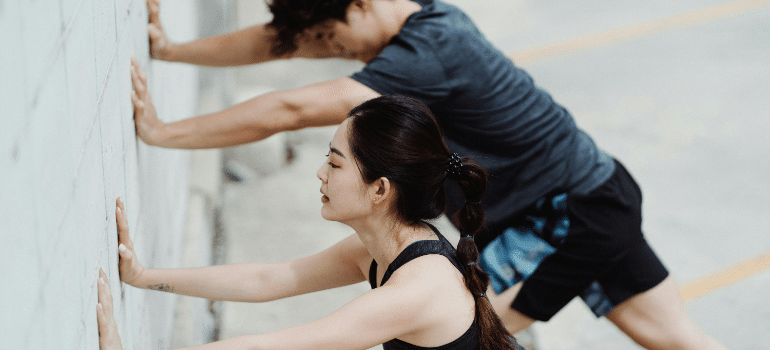
Modified wall push-ups are an effective way to strengthen the arms, chest, and shoulders while keeping impact low, making them ideal low-impact strength workouts for injury recovery. To do them correctly, stand an arm’s length from a wall with your hands at shoulder height and fingers pointing up. Engage your core, lean forward, and lower yourself until your face nears the wall. Then, push back to the starting position, keeping a neutral spine and steady pace. Keeping your elbows close to your body helps protect your shoulders, and you can gradually increase intensity as you build strength.
- Move your feet farther from the wall for added resistance.
- Perform more repetitions with shorter rest breaks.
- Control your speed for better muscle engagement.
- Add a slight pause at the bottom for extra challenge.
These adjustments allow you to progress safely while avoiding unnecessary strain. Wall push-ups are especially beneficial for those with limited wrist or shoulder mobility and also help improve core stability. Start with a range of motion that feels comfortable, and gradually work toward deeper angles as your confidence grows. Consistency is key—focus on controlled repetitions to build strength and support a safe recovery.
Seated Leg Lifts
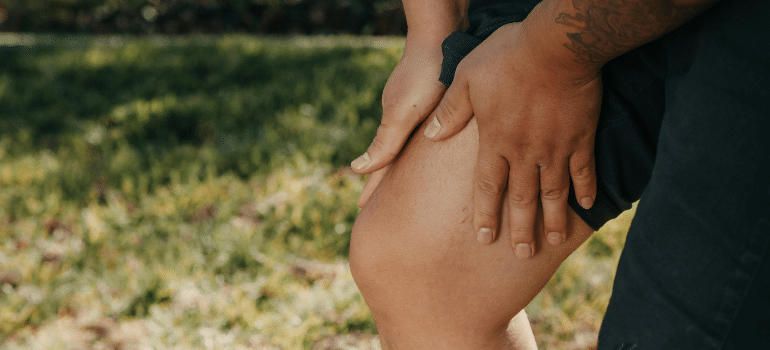
Seated leg lifts are a great way to strengthen the hip flexors and quads while keeping impact low, making them an essential part of low-impact strength workouts for injury recovery. Sit on a sturdy chair or bench with your back straight and feet flat on the floor. Lift one foot a few inches off the ground, straighten your leg until you feel your thigh engage, then lower it slowly before switching sides. Focus on controlled movements to prevent using momentum, and engage your core for stability. This simple exercise improves leg function, enhances balance, and supports daily mobility while reducing strain. Consider pairing exercises with proper nutrition to further support recovery. Many people explore healthy meal plans in Dubai to help with muscle repair and fuel workouts for better results.
Once you feel you’ve made serious progress, think about increasing difficulty. Try adding ankle weights or resistance bands, but always maintain good posture—keep your shoulders relaxed, avoid leaning back, and stay mindful of your breathing. Perform alternating sets based on your fitness level, increasing repetitions if comfortable. Track your progress, but listen to your body and stop if any discomfort arises.
Resistance Band Arm Curls
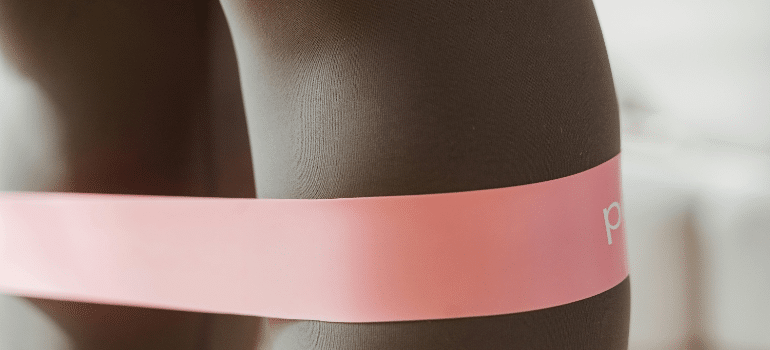
Resistance band arm curls effectively strengthen the biceps while minimizing joint strain. Choose a band with the right tension for your needs, then stand with your feet shoulder-width apart, placing the band’s midpoint under both feet. Hold each end with your palms facing forward, elbows close to your torso. As you exhale, bend your elbows to curl your hands toward your chest; inhale as you lower them in a controlled manner. This exercise helps improve arm strength and stability while aiding in gradual rehabilitation.
For a more balanced approach, consider combining this workout with pilates classes in Dubai, which emphasize core stability alongside upper-body endurance. Keep your movements smooth to avoid unnecessary strain on your elbows or wrists. Adjust the band’s resistance by stepping wider or switching to a stronger band—lighter tension works well during early recovery, while heavier resistance can be introduced later. Take breaks as needed, and for added muscle engagement, pause briefly at the top of each curl before lowering. Keep your shoulders relaxed to ensure safe and steady strength development.
Glute Bridges
Glute bridges are a great way to strengthen the hamstrings, glutes, and core while improving hip mobility. Lie on your back with your knees bent and feet flat on the ground, arms resting alongside your torso with palms facing down. Press through your heels to lift your hips, squeezing your glutes at the top without arching your lower back. Slowly lower your hips and repeat. This movement builds posterior chain strength and helps relieve tension in the lower back.
If you’re recovering from an injury, you can modify the exercise by starting with shorter holds at the top and gradually extending them as your muscles adapt. Adding a folded towel under your neck can provide extra support. Prioritize controlled movements over speed—focus on proper alignment and steady breathing. Inhale before lifting, then exhale as you press your hips up to keep your core stable and reduce strain. Once you feel confident, try single-leg glute bridges, alternating sides to ensure balanced strength development. This simple yet effective exercise is a safe way to restore mobility and build strength over time.

Clamshells
Clamshells help strengthen the hip abductors and improve pelvic stability, making them a great addition to low-impact strength workouts. Lie on your side with your knees bent and stacked, supporting your head with a pillow or your arm. Keeping your feet together, lift your top knee while maintaining control, then slowly lower it back down. This movement targets the outer hips, which play a key role in balance and injury prevention. Clamshells also help improve hip alignment for better movement in daily activities. If you feel tightness, start with a smaller range of motion and gradually increase it as you gain flexibility.
To add a challenge, use a resistance band around your thighs, choosing a level that matches your current strength. Keep your core engaged to prevent rolling backward and focus on smooth, controlled movements. Consistency is key to improving hip stability, which benefits walking, running, and overall mobility. If you need additional guidance, a yoga instructor Dubai can help refine your posture and suggest complementary stretches. Don’t forget to switch sides to work both hips evenly—clamshells are an effective way to build lower-body strength while reducing the risk of injury.
Forearm Plank
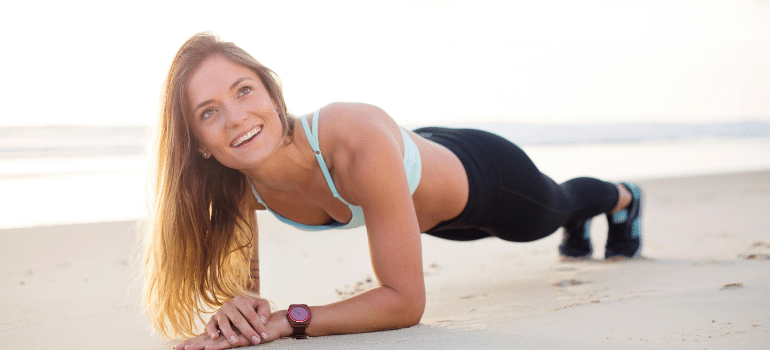
Forearm planks activate core muscles while keeping joint impact low, so they’re a great choice for low-impact strength workouts for injury recovery. Start on all fours and place your elbows directly under your shoulders. Extend your legs straight behind you, forming a straight line from head to heels. Engage your core to prevent your hips from sagging or lifting too high. Keep your neck aligned with your spine and look slightly ahead to maintain stability.
Hold the plank for a set time, then rest and repeat for several rounds. Short sessions help build strength gradually. If needed, place a rolled-up towel under your elbows for comfort. Engage your glutes and quads to evenly distribute tension and avoid unnecessary strain. Breathe steadily, inhaling through your nose and exhaling through your mouth. If you feel shaky, drop to your knees and reset your form before continuing. As your core strength improves, gradually extend your plank duration. With regular practice, this exercise enhances core stability, supports spinal health, and strengthens muscles that contribute to overall balance and posture.
Step-Ups
Step-ups are an excellent way to build leg strength and improve coordination. Stand in front of a stable step or low platform with your back straight. Place your right foot on the step, press through your heel, and lift your body up, bringing your left foot onto the platform. Step down with control, returning both feet to the floor before switching legs. This up-and-down motion strengthens the lower body while also improving endurance and balance. When done at a faster pace, step-ups can double as a light cardio exercise.
Maintain good posture by keeping your shoulders back and head facing forward. Avoid leaning too far forward or rounding your spine. Focus on controlled movements and keep your knees aligned to prevent strain. If you experience discomfort, try using a lower step or holding onto a railing for extra stability. To increase intensity, add light weights or quicken your pace while maintaining proper form. Keep your breathing steady—exhale as you step up and inhale as you lower down. Step-ups are a functional exercise that enhances everyday movement, improves balance, and reduces the risk of future injuries.
Seated Shoulder Press
The seated shoulder presses are great low-impact strength workouts for injury recovery. They strengthen the deltoids and upper-back muscles while promoting proper posture. To do them right, sit upright on a bench or chair with back support, holding light dumbbells at shoulder height with your palms facing forward. Press the weights overhead until your arms are nearly straight, then slowly lower them back to the starting position. Keep your core engaged to prevent leaning back, which helps protect your spine and maintain stability.
For additional back support, consider incorporating best back pain exercises that strengthen surrounding muscle groups. Pairing these with seated presses creates a well-rounded routine for both strength and posture. Focus on controlled breathing—inhale before pressing up and exhale as you push. Avoid rushing the movement and choose moderate weights that challenge your muscles without causing strain. If you feel sharp pain or fatigue, stop and adjust accordingly. As your strength improves, you can gradually increase the weight. This exercise enhances shoulder mobility, making everyday movements easier while allowing for safe, steady progress.
Bird Dog
The Bird Dog exercise is a simple yet effective way to strengthen the core and lower back while improving balance and coordination. Begin on your hands and knees, ensuring your wrists are under your shoulders and your knees are under your hips. Engage your abs to keep your back flat. Extend your right arm forward while simultaneously lifting your left leg behind you, forming a straight line from your fingertips to your toes. Hold for a moment, then return to the starting position and switch sides. This cross-body movement improves stability and strengthens the muscles that support the spine. If you’re looking for a more dynamic approach to fitness, you might want to explore the best karate classes in Dubai. This can help you emphasize discipline, coordination, and full-body strength.
Of course, if you’re focusing on recovery, Bird Dog is an essential foundational exercise that helps with core engagement and prevents future injuries. To increase difficulty, try holding the position longer or balancing a small object on your lower back to test your stability. Avoid moving your hips or arching your spine, and maintain steady breathing throughout the movement. Practicing this exercise at least three times a week can lead to big improvements in core strength, posture, and overall stability.
Keep Your Body Healthy
These low-impact strength workouts for injury recovery help rebuild movement and confidence during a safe recovery. Every exercise helps with steady progress, improving strength, stability, and overall function with minimal strain. Consistency is key—small efforts add up to stronger muscles and healthier joints. Track your progress to stay motivated, and adjust your routine as you improve. If you need extra guidance, working with a qualified trainer can help you stay on the right path. Listen to your body, avoid overtraining, and respect the healing process. With patience and persistence, you’ll restore mobility and regain functional strength for everyday activities. Stay positive, stay active, and trust the process.


 CALL NOW


