
Nutrition Myths About Weight Loss You Should Stop Believing
Find Your Personal Trainer
Published: April 18, 2024
When you are on a mission to lose weight, it is essential to distinguish fact from fiction. Many popular nutrition myths about weight loss can mislead you, promising quick results with little effort. Unfortunately, falling for these myths can steer you off course. Also, it will make it harder to reach your goals. That is why overcoming these common diet myths is crucial. Understanding the truths about weight loss equips you to make better decisions that support your health and progress. So, let’s tackle these myths together and clear the path for a more effective and informed approach to shedding those extra pounds.
Carbs Make You Fat
The belief that carbs directly lead to weight gain is misleading. Carbohydrates are vital for a balanced diet as they are our primary energy source. However, the type and amount of carbs you eat matter more than their mere presence.

Simple carbs, like those in sugar and white bread, break down quickly. They spike your blood sugar, which can lead to weight gain if not managed. This happens because you might feel hungrier sooner and eat more. Complex carbs, found in whole grains and vegetables, digest slowly. They provide a steady energy flow and help control your appetite.
Therefore, it is important to practice moderation with carbs. Cutting them out completely can lead to brain fog and fatigue. Instead, focus on high-quality carbs and keep your portions reasonable. This approach helps maintain a healthy weight without drastic diet changes. In addition, following a low carb meal plan in Dubai can be very effective. These plans focus on nutrient-dense foods tailored to individual needs. They help avoid the weight gain often associated with high simple carb diets.
Eating Fat Leads to Fat
It’s widely believed that eating fat means putting on body fat. But this isn’t the whole truth. Believing this can actually be harmful because it might lead you to cut out all fats from your meals, which isn’t a good idea. The truth is that not every type of fat is bad for you. While trans fats and some saturated fats, which are common in processed foods, can lead to health issues and weight gain if consumed too much, there are healthy fats, too. Healthy fats, like the ones found in avocados, nuts, seeds, and olive oil, are vital for your diet. They assist in vitamin absorption and support the functioning of your cells.
Foods rich in healthy fats can also help you feel full for longer, which is key in controlling hunger and preventing binge eating. Managing your appetite this way is vital for maintaining a healthy weight. Eating the right amount of healthy fats can actually be beneficial and support weight loss efforts.
When you add healthy fats to your diet, it enhances the effectiveness of your diet plans. In addition, weight loss diet plans that incorporate these fats go beyond just lowering calorie intake. They aim to improve your overall health and support long-term weight management. These diet plans give you the essential nutrients you need and help you keep a healthy weight. They focus on quality and balance, making it easier for you to stick to your diet and meet your weight loss goals.
Skipping Meals Helps You Lose Weight
Many believe that skipping meals can speed up weight loss, but this strategy often backfires. Skipping meals can disrupt your metabolism, which might slow down the process of burning calories. It also affects your health, leading to potential nutrient deficiencies and energy dips throughout the day.
Eating regular meals is far better than skipping them. This habit keeps your metabolism steady, and your blood sugar levels even, which helps control your hunger and cuts down on cravings. Plus, eating regularly ensures your body always has the nutrients it needs to function well.
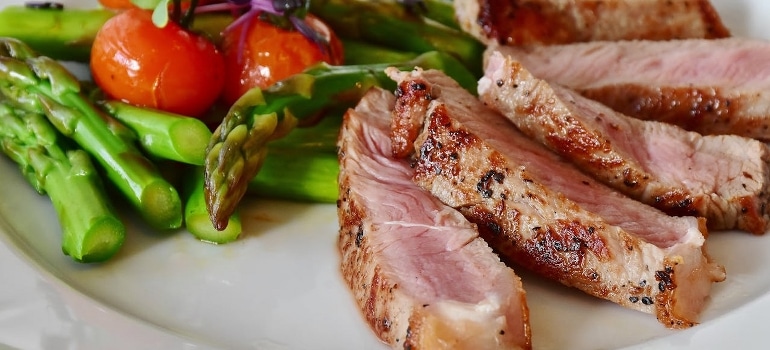
For those looking to manage their weight more effectively, having a personal trainer in Dubai come to their home can greatly impact their success. A trainer can help tailor eating patterns that fit your lifestyle and fitness goals. All in all, adopting this approach supports metabolic health and promotes sustainable weight loss. This is a key truth in understanding the facts about dieting and weight loss—it’s not just about eating less or not eating at all but eating right.
Myth: All Calories Are Equal
It’s a common belief that all calories affect our bodies in the same way, but that’s not true. The source of calories is just as important as the amount. Nutrient-dense foods, loaded with vitamins, minerals, and beneficial compounds, support our health far more than foods high in empty calories.
Choosing nutrient-dense foods means you’re not just filling up. It means you’re nourishing your body and staying satisfied longer, which is crucial for weight management. In contrast, calorie-dense foods might temporarily satisfy hunger but don’t offer much nutritional value, leading to potential health issues.
Here’s a quick comparison:
Nutrient-Dense Foods:
- Broccoli
- Quinoa
- Almonds
- Sweet potatoes
- Blueberries
Calorie-Dense Foods:
- Fast food burgers
- Soda
- Doughnuts
- Potato chips
- Candy bars
Exercise Alone Is Sufficient for Weight Loss
Exercise must be combined with nutritional adjustments for effective weight loss. Simply moving more isn’t enough if your diet isn’t balanced. The synergy of a healthy diet and regular aerobic exercise can dramatically enhance weight loss efforts. When these elements combine, they boost calorie burning and overall health.

Types of Exercises Effective for Weight Loss
Looking for the best exercise to lose weight? Here are some groups of the best exercises:
- Brisk walking
- Swimming
- Cycling
- Interval training
- Running
Nutrition Myths About Weight Loss and the Truth About Losing Weight Effectively
It’s important to clear up nutrition myths about weight loss to manage weight effectively. It’s not just about cutting carbs and fats or skipping meals. Successful weight loss involves combining a balanced diet with regular exercise. Understanding these myths helps us make smarter choices and approach weight loss more effectively. Revisiting these ideas offers clarity and motivates us to take a comprehensive approach that includes both diet and exercise for better results.


 CALL NOW


