
Pre-Workout Snacks if You Can’t Eat Heavy Meals
Find Your Personal Trainer
Published: November 18, 2025
If you struggle with full meals before training, you’re not alone—fast lifestyles, early-morning sessions, and digestive sensitivity make it difficult for many athletes and everyday exercisers to eat a proper meal before the gym. That’s why understanding pre-workout snacks if you can’t eat heavy meals is becoming essential for performance, fat loss, and overall energy stability in 2025 and heading into 2026. With Dubai’s climate, busy work schedules, and increasing interest in personalized fitness, many people now turn to a personal trainer for weight loss who can tailor nutrition and training so that pre-workout nutrition becomes simple, effective, and sustainable.
What Your Body Needs Before Training When You Can’t Eat a Full Meal
Your body still needs fuel before a workout, even if you can’t tolerate a full plate of food. The key for pre-workout snacks if you can’t eat heavy meals is to focus on nutrients that digest quickly and give you stable energy without causing discomfort. This typically means a combination of fast-digesting carbohydrates, a small amount of protein, and hydration—especially if you train outdoors or in warmer areas of Dubai. Fat and fiber should be kept low because they slow digestion, increase bloating risk, and may reduce workout performance.
When people struggle with timing or food tolerance, having a structured nutrition approach can reduce stress. That’s where fitness meal plans Dubai come in—they help individuals who can’t eat big meals stabilize their energy and optimize performance with flexible, lightweight options that still hit macro targets. This is especially valuable for those training during busy mornings, splitting workouts across the workday, or training in high heat.
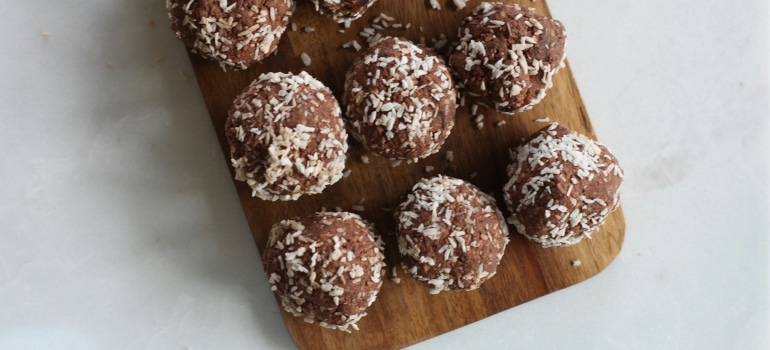
Best Light Pre-Workout Snack Ideas for Busy 2025 Lifestyles
Modern pre-workout fueling doesn’t need to be complicated—especially in 2025–2026, when more people focus on portability, convenience, and gut-friendly foods. If you are looking for pre-workout snacks if you can’t eat heavy meals, consider options that provide quick glucose for your muscles without overwhelming your stomach. These snacks are particularly useful for those preparing for fat burning workouts, which require enough quick energy to maintain intensity without feeling heavy or sluggish.
Below is a list of fast, practical snack options ideal for eating 15–45 minutes before training:
- Half a banana with a teaspoon of peanut butter
- Rice cakes topped with honey
- Coconut water paired with a small protein bite
- A small cup of Greek yogurt
- Electrolyte gummies or stuffed dates
- A small fruit smoothie with low fiber
- Oat drink or protein water
These choices give just enough fuel for strength training, cardio, or HIIT while keeping digestion light. They are also easy to prepare, easy to carry, and designed to prevent the energy crash that often happens when you go into a workout underfed.
Ultra-Light Pre-Workout Snacks if You Can’t Eat Heavy Meals for People With Early-Morning Workouts or Sensitive Digestion
Some people simply cannot eat solid food before exercise, regardless of timing. In that case, the best pre-workout snacks if you can’t eat heavy meals are technically not “snacks” at all—they’re micro-fuels. These options sit lightly on the stomach and absorb quickly, making them ideal for sensitive digestion, dawn training sessions, or Ramadan fitness routines. Many athletes who train early in Dubai rely on liquid or semi-liquid fuels that provide energy without overwhelming the stomach.
For those who want to fine-tune their micro-fueling strategies with a sports-performance approach, an athlete meal plan Dubai can incorporate ultra-light pre-workout solutions such as:
- Protein water or collagen-infused drinks
- Electrolyte and carbohydrate gels
- Coconut water with added sodium
- Kefir shots or liquid yogurt
- Fruit purée pouches
- Low-fiber smoothies with glucose-based carb boosters
These options give your muscles usable energy within minutes while keeping digestion almost effortless. They also prevent the dizziness, fatigue, or low blood sugar that can happen when you train fasted.
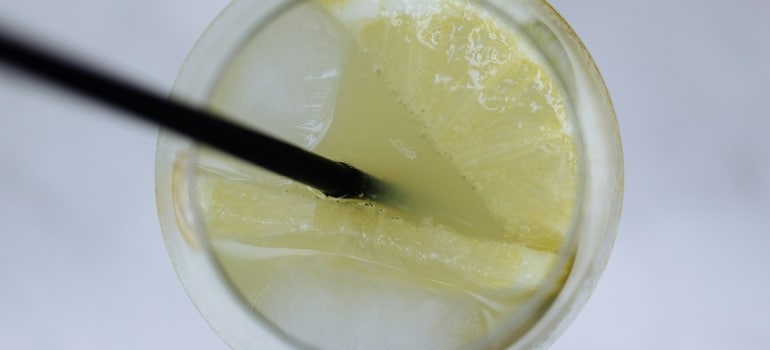
How to Adjust Light Pre-Workout Snacks for Different Training Goals
Training goals shape the ideal approach to pre-workout snacks if you can’t eat heavy meals, especially with the more varied fitness routines expected in 2025–2026. People who train for fat loss need quick carbs in small amounts to fuel intensity, whereas those training for muscle gain often benefit from adding a touch of protein and easily digestible dairy or supplement-based options. For endurance training, liquid carbohydrates, electrolytes, and rapid-glucose snacks are often the best approach.
The right strategy depends on whether you want:
- Fat loss
- Muscle gain
- Endurance improvement
- Overall energy stability
- Strength performance
- Faster recovery
A personal coach or dietitian may recommend adjusting snack sizes, carbohydrate sources, and timing based on your training split. For example, HIIT sessions typically need more carbs than moderate-intensity strength training. Meanwhile, evening training might require different snack choices than early-morning sessions, especially when appetite is low or digestion is slower.
The Role of Hydration in Light Pre-Workout Fueling for 2025–2026
Hydration is becoming just as important as food when choosing pre-workout snacks if you can’t eat heavy meals, especially as global temperatures rise and Dubai athletes train in increasingly variable conditions. Even when your stomach can’t tolerate solid food, a well-formulated hydration strategy can significantly improve performance, energy availability, and thermoregulation. Electrolyte-enhanced water, coconut water, and low-sugar sports drinks help maintain plasma volume, which reduces early fatigue and supports better endurance. This is particularly important for morning workouts, where natural dehydration from sleep already puts the body at a deficit. By prioritizing hydration alongside lightweight snacks, you ensure that your muscles receive oxygen efficiently, your heart rate stays controlled, and your overall training performance remains stable—even when appetite or digestion isn’t cooperating.

Light Pre-Workout Fueling Is the Future of Sustainable Fitness
As the fitness world continues moving toward personalization, gut-friendly routines, and flexibility, it’s clear that pre-workout snacks if you can’t eat heavy meals are becoming a core strategy for many people—especially in fast-paced cities like Dubai. Whether your focus is weight loss, performance, or balanced energy, light fueling provides stability without discomfort. With the right guidance, structured planning, and a clear understanding of what your body needs, you can train harder, recover better, and stay consistent throughout 2025 and into 2026, even without traditional pre-workout meals.


 CALL NOW


