
The Hidden Cost of Under-Eating While Training in Dubai
Find Your Personal Trainer
Published: January 25, 2026
Training in Dubai is an experience like no other. With world-class gyms, state-of-the-art facilities, and a vibrant community of athletes, the city attracts people committed to pushing their physical limits. Whether you’re a runner, weightlifter, or working with a female personal trainer Dubai to improve strength and technique, there’s no shortage of opportunities to challenge yourself. But many athletes overlook a critical factor that can undermine all their hard work: nutrition. Understanding the hidden cost of under-eating while training in Dubai is essential for anyone who wants to optimize performance, avoid injuries, and recover effectively.
The Physiological Consequences of Under-Eating
When your body doesn’t receive enough calories to meet energy demands, it begins to adapt in ways that can hinder training results. One of the first systems affected is your metabolism. If your body senses a prolonged energy deficit, it slows down its metabolic rate to conserve energy. This means you burn fewer calories at rest, making it harder to lose fat while maintaining muscle mass.
Under-eating also disrupts hormonal balance. Levels of leptin, the hormone responsible for signaling fullness, and ghrelin, the hunger hormone, are affected, often leading to cravings, fatigue, and poor appetite regulation. More critically for athletes, low caloric intake reduces the production of sex hormones such as testosterone and estrogen. These hormones are essential for muscle growth, bone density, and overall performance.

Furthermore, inadequate nutrition compromises your immune system. Training, especially at high intensities common in Dubai’s competitive fitness scene, creates small amounts of tissue damage that require proper recovery. Without enough calories and nutrients, your body cannot repair itself efficiently, making you more susceptible to illness, injuries, and overtraining syndrome.
Signs You Might Not Be Eating Enough
Even dedicated athletes may not realize they’re under-eating. Recognizing early warning signs is key to avoiding the hidden cost of under-eating while training in Dubai. Here are some indicators to watch for:
- Persistent Fatigue: Feeling drained despite adequate sleep is often a red flag. Your body is burning energy faster than it’s being replenished.
- Frequent Injuries: Small sprains, strains, and stress fractures can indicate poor recovery due to insufficient fuel.
- Plateauing Performance: If your strength, endurance, or speed stagnates despite consistent training, under-eating may be the culprit.
- Mood Changes: Irritability, depression, and anxiety are linked to low caloric intake and nutrient deficiencies.
- Poor Sleep Quality: Hunger and hormonal disruptions can interfere with restorative sleep, further affecting performance.
Why Training in Dubai Can Increase Nutritional Demands
Dubai’s climate and lifestyle can amplify the risks associated with under-eating. High temperatures, especially during outdoor workouts, increase fluid and electrolyte loss, which in turn raises energy demands. Athletes practicing sports like kickboxing need adequate carbohydrates and proteins to support explosive movements, endurance, and recovery.

Additionally, Dubai’s fast-paced culture can make it challenging to stick to consistent, nutrient-rich meals. Without careful planning, it’s easy to underestimate calorie needs and fall into a deficit that undermines training results. Even those following an athlete meal plan Dubai professionals design may find it tricky to match intake with expenditure without regular monitoring.
The Mental Cost of Calorie Restriction
The hidden costs of under-eating are not purely physical. Restricting calories can create a harmful relationship with food, turning meals into sources of anxiety rather than nourishment. Cognitive performance can also decline, affecting focus during training sessions and daily activities. Studies show that low energy availability can impair decision-making, coordination, and reaction times — all critical elements for athletes, especially in sports requiring precision like martial arts or weightlifting.
Recovery and Muscle Growth Suffer
Muscle repair and growth rely on sufficient protein and overall calories. When you under-eat, recovery from intense training slows, leaving you sore longer and stalling progress. Over time, this can lead to muscle loss, reduced strength, and decreased athletic performance. Even if you’re following a structured program with the best kickboxing personal trainer Dubai has to offer, your gains will plateau if your body doesn’t receive the fuel it needs.
Carbohydrates are just as critical. Glycogen stored in muscles and the liver provides energy for workouts, especially high-intensity sessions common in kickboxing. Without enough carbs, fatigue sets in faster, endurance drops, and training quality suffers. In extreme cases, the body may break down muscle protein for energy, directly undermining the benefits of your training.
Strategies to Avoid Under-Eating
Implementing simple, practical strategies can help ensure your body gets the fuel it needs to perform, recover, and grow stronger during training.
- Track Your Calories and Macros: While it’s not necessary to become obsessive, tracking your intake for a few weeks can provide insight into whether you’re meeting energy needs.
- Prioritize Protein and Complex Carbohydrates: Aim for balanced meals that support recovery and performance. Include lean meats, legumes, whole grains, and plenty of fruits and vegetables.
- Plan Meals Around Training: Eating before and after workouts ensures your body has fuel for exercise and nutrients for recovery.
- Stay Hydrated: Dehydration can mimic the symptoms of under-eating, such as fatigue and poor performance. Electrolytes are particularly important in hot climates.
- Consult Professionals: Working with a nutritionist or dietitian familiar with athletic needs in Dubai can help design a sustainable athlete meal plan.
How to Tell if You’re Eating Enough
Monitoring performance, energy levels, and recovery is key. Ask yourself: Are you able to complete your workouts without excessive fatigue? Are your strength and endurance improving? Do you feel mentally sharp and emotionally balanced?
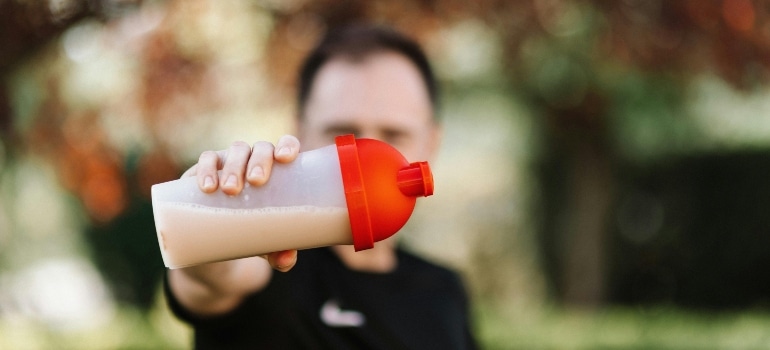
These indicators, alongside tracking weight and body composition, can help determine whether you’re fueling properly. Remember, if you’re eating enough, your body should feel energized, recover efficiently, and allow consistent progress over time.
Long-Term Risks
The long-term consequences of chronic under-eating extend beyond performance setbacks. Bone density can decrease, increasing the risk of fractures. Menstrual irregularities in female athletes can occur, signaling a hormonal imbalance.
Metabolic rate may decline permanently if under-eating persists for years, making it more difficult to maintain a healthy weight. Mental health challenges, such as anxiety and disordered eating patterns, may also develop.
Fuel Your Body for Success
Under-eating while training is a hidden but serious challenge for athletes in Dubai. The combination of high-intensity workouts, hot climate, and busy lifestyles makes proper nutrition crucial for both performance and long-term health. By understanding the hidden cost of under-eating while training in Dubai, athletes can take proactive steps to fuel their bodies adequately, recover efficiently, and maintain consistent progress. Working with professionals ensures that your energy needs are met. Paying attention to hunger cues, monitoring recovery, and consuming sufficient calories and nutrients allows you to train effectively, reduce injury risk, and achieve sustainable results. Your body is your most important training partner—invest in it wisely to unlock your full potential.


 CALL NOW


