
The Ultimate 15-Minute Arm Workout for Busy People
Find Your Personal Trainer
Published: March 18, 2025
Sticking to a fitness routine can be tough, especially with a packed schedule. But a quick and effective arm workout for busy people can deliver results without eating up your day. Short, high-intensity workouts trigger muscle growth and endurance, making them just as effective as long gym sessions. If you train with effort, 15 minutes is enough to build strength and definition. Many people believe they need an hour at the gym, but that’s not true. With the right exercises, controlled reps, and proper intensity, you can get great results fast. Even professionals, like a freelance personal trainer in Dubai, recommend short, focused sessions for those with tight schedules. Now, let’s dive into why this 15-minute routine works and how you can maximize results.
Why 15 minutes is enough for an effective arm workout?
Most workouts drag on longer than necessary because of distractions, excessive rest, or inefficient exercises. The key to building strong, defined arms isn’t just about duration—it’s about intensity.
A short but effective workout does three important things:
- Activates muscles fully – The right exercises, performed with good form, ensure maximum engagement.
- Boosts endurance and strength – Fast-paced training keeps muscles under tension, helping them adapt quickly.
- Fits into any schedule – Short workouts are easy to commit to, making consistency achievable.
Many athletes and trainers swear by high-effort, low-duration training. Keeping workouts intense and structured prevents wasted time. Instead of spending an hour lifting weights inefficiently, a focused 15-minute routine can challenge muscles, stimulate growth, and burn calories effectively.

The 15-minute arm workout routine (no rest or minimal rest between sets)
This workout keeps the arms under tension, making every second count. Each exercise is performed for 30 seconds with little to no rest. The entire circuit is repeated three times. The following exercises are important:
- Push-ups (Triceps & Shoulders) – Strengthens the triceps while improving shoulder stability.
- Bicep Curls (Dumbbells or Resistance Bands) – Focuses on building bicep strength and arm definition.
- Triceps Dips (Using a Chair or Bench) – Targets the triceps and enhances upper-body endurance.
- Hammer Curls (For Forearm and Bicep Strength) – Engages both the forearm and biceps for full-arm strength.
- Plank Shoulder Taps (For Arm Stability and Core Engagement) – Improves core control while activating stabilizing muscles.
After the first round, your arms will feel the burn. By the third, you’ll know this routine works.
How to maximize results in a short time?
Since time is limited, every rep needs to count. Proper technique and intensity will make all the difference.
- Slow and controlled movements activate muscles better than rushed reps. If you push through the motions too fast, momentum takes over, and your muscles work less. Staying mindful of each contraction leads to faster progress.
- Increasing resistance is key. Whether it’s heavier weights, stronger bands, or advanced bodyweight modifications, challenging your muscles leads to greater gains. If you’re doing a home workout, try elevating your feet for push-ups or using a backpack filled with books for triceps dips.
- Maintaining a steady pace is essential. Keeping the intensity high throughout the workout ensures muscles stay engaged. The goal isn’t just to finish—it’s to feel the effort in every movement.
This approach makes short workouts effective, helping you build strength without long training sessions.
Equipment vs. bodyweight: what works best for an arm workout for busy people
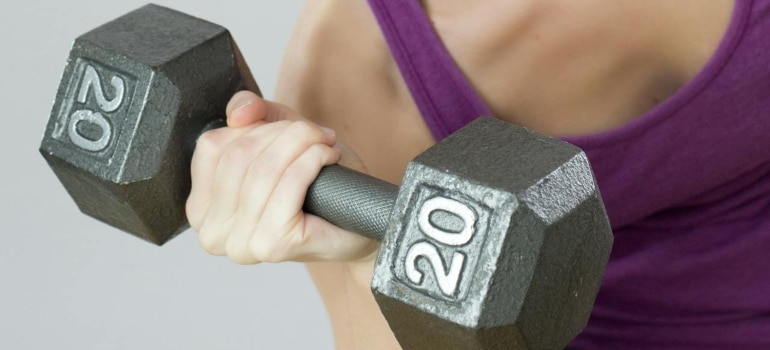
Building stronger arms doesn’t require expensive equipment. Many effective exercises use just your body weight. However, resistance training with weights or bands can speed up results.
A personal trainer for muscle building often recommends free weights for quick progress. Dumbbells allow for controlled movements and progressive overload. But resistance bands are just as useful, providing constant tension on muscles.
For those preferring bodyweight training, modifications make exercises harder. Elevating feet during push-ups increases intensity. Slowing down reps forces muscles to work harder. Training consistently, whether with weights or bodyweight, leads to defined and stronger arms.
Common mistakes that waste time and reduce effectiveness
Rushing through reps often leads to poor form. Many people focus on completing sets quickly instead of engaging muscles properly. Strength training works best when movements are slow and controlled.
Not activating the right muscles is another common problem. Using momentum instead of muscle power reduces effectiveness. Swinging weights up instead of curling them properly wastes effort. Instead, focus on strict form and full range of motion.
Training too much can also be counterproductive. Muscles need recovery time to grow. Short, intense workouts done consistently yield better results than overloading muscles daily. If your arms feel sore after every session, it might be a sign of overtraining.
Best ways to stay motivated and track progress
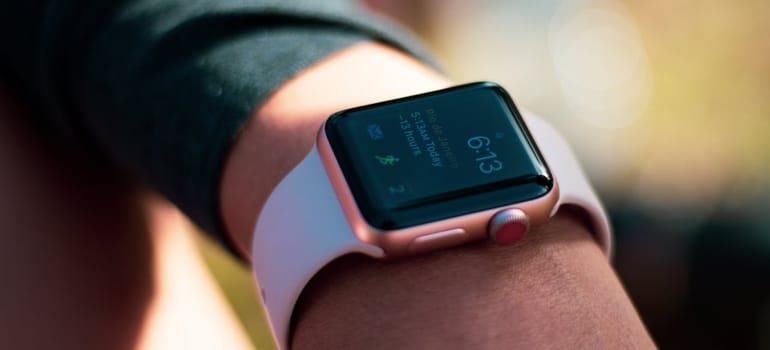
Staying committed to a routine is challenging, but tracking progress helps. Seeing improvement keeps motivation high. A great way to do this is by taking weekly progress photos. Even small changes are noticeable over time.
Using the best workout apps can also make a difference. Apps track sets, reps, and weights, helping you stay accountable. Many also offer guided workouts, making exercise easier to follow.
Setting small goals keeps motivation strong. Increasing resistance, improving endurance, or perfecting form are all ways to track progress. Over time, these efforts lead to significant strength gains.
Stick with your 15-minute arm workout for busy people and see results in no time
A short, high-intensity arm workout for busy people delivers real results. Time constraints don’t have to be an excuse. When done correctly, 15 minutes is enough to strengthen and define arms. Commit to training consistently, focus on proper form, and challenge yourself with progression. Whether using weights, bands, or bodyweight, every effort adds up. Now, take action. Try this routine and see how effective a quick workout can be!


 CALL NOW


