
Top 10 bodybuilding foods
Find Your Personal Trainer
Published: May 17, 2025
When an ordinary person thinks about bodybuilding, the first thing to pop into their mind is all kinds of heavy lifting and insane workouts that bodybuilders have to do to have that perfect physique. However, there is more to this. You know that to have a stronger body you need more than just exercise. You need to get better in every single aspect of your body and its rhythm. To improve it in every way possible. To get the perfect amount of sleep, workouts, and hydration. And, finally, in order to achieve what everyone dreams of when looking in the mirror, you need to control what you eat. What you put inside your body will dictate its look; and here are the top 10 bodybuilding foods that need to have a part in your diet!
Why are these top 10 bodybuilding foods so important?
There are plenty of reasons why all the best bodybuilding tips point to food as being important. What you are putting into your body will dictate just how much strength and power you will have. In order to build muscle, you need fuel. All those workouts you will be doing require a lot of power. Therefore, you know exactly what foods will give you the greatest amount of benefit.
On our list of top 10 bodybuilding foods, you’ll find only clean, natural, nutrient-dense options—not processed, packaged fillers.
- Protein-rich. Every food on this list offers a solid dose of high-quality protein to help you build and repair muscle. Unlike processed protein bars or powders loaded with additives, these natural sources provide sustained energy and essential amino acids to power your workouts the right way.
- Genuinely healthy. Bodybuilding should enhance your health, not compromise it. These foods support heart health, digestion, and overall well-being while helping you gain strength. We don’t believe in shortcuts like synthetic enhancers or empty calories—just clean, whole nutrition that respects your body.
- Completely natural. You won’t find anything artificial here. Each item is a real, whole food you can pronounce and prepare yourself. No lab-made ingredients or supplement substitutes—just simple, honest food that proves you can make impressive gains without compromising on quality.

Eggs
- Calories: 143 kcal per 100g
- Protein: 12.6g
- Fat: 9.5g
- Carbohydrates: 1.1g
- BCAAs: Approximately 1.3g
- Micronutrients: Rich in vitamins B2, B12, D, selenium, and iodine
- Best Time to Eat: Ideal for breakfast or post-workout meals.
Eggs are a powerhouse of high-quality protein and essential nutrients, making them a staple in any bodybuilding diet Dubai. Their rich BCAA content supports muscle repair and growth, while the presence of healthy fats aids in hormone production. Incorporating eggs into your morning routine can provide sustained energy throughout the day. The ideal eggs to look for are organic, pasture-raised eggs.
Soybeans
- Calories: 172 kcal per 100g (boiled)
- Protein: 18.2g
- Fat: 9g
- Carbohydrates: 8.4g
- BCAAs: Approximately 3.5g
- Micronutrients: High in iron, calcium, and magnesium
- Best Time to Eat: Suitable for any meal; excellent in post-workout shakes.
Soybeans are a complete plant-based protein source, offering all essential amino acids necessary for muscle synthesis. Their versatility makes them a favorite among vegetarians and vegans aiming to build muscle mass. For those seeking alternatives to bodybuilding supplements Dubai, soybeans present a natural and effective option.
Soy contains isoflavones, a type of phytoestrogen that mimics estrogen in the body—but far more weakly. Some believe soy might negatively affect testosterone levels in men; however, current scientific evidence shows that moderate soy intake does not reduce testosterone or harm male hormone balance. In fact, soy can support heart health and recovery when consumed as part of a balanced diet.
Always choose organic, non-GMO soybeans. Conventional soy is one of the most genetically modified crops globally, often treated with heavy pesticides. Organic varieties preserve the nutritional integrity of the bean while reducing your exposure to chemicals that could impact long-term health and performance.

Red Meat (Beef)
- Calories: 217 kcal per 100g (lean cut)
- Protein: 26.1g
- Fat: 11.8g
- Carbohydrates: 0g
- BCAAs: Approximately 5.6g
- Micronutrients: Rich in iron, zinc, and vitamin B12
- Best Time to Eat: Post-workout or dinner
Red meat is renowned for its high protein and BCAA content, making it one of the best high protein muscle building foods. Additionally, its iron and zinc levels support oxygen transport and immune function, respectively. Incorporating lean cuts of grass-fed beef into your diet can enhance strength and endurance.
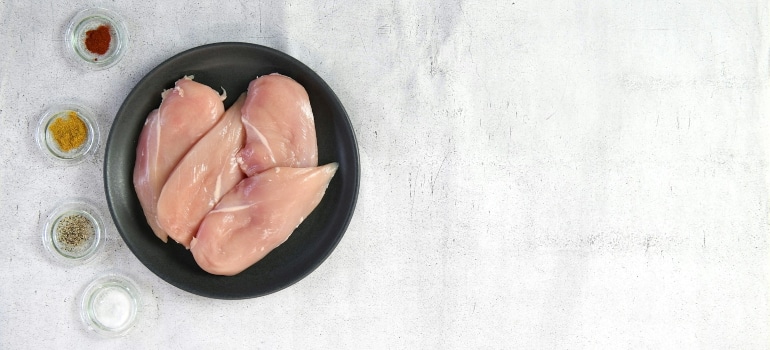
Chicken Breast
- Calories: 165 kcal per 100g
- Protein: 31g
- Fat: 3.6g
- Carbohydrates: 0g
- BCAAs: Approximately 5.6g
- Micronutrients: High in niacin, selenium, and phosphorus
- Best Time to Eat: Post-workout or lunch
Chicken breast is a lean protein source, low in fat and carbohydrates, making it ideal for muscle building without excess calorie intake. Its high BCAA content aids in muscle recovery, while its versatility allows for various culinary preparations.
Chicken breast is a go-to protein for women aiming to increase lean muscle mass without adding unwanted fat. It helps sculpt and define muscles. Unlike fattier cuts of meat, it offers clean, efficient fuel without excess calories—something many women appreciate when balancing strength training and body composition goals.
For those focused on arm workouts for women, including chicken breast in your daily meal plan can significantly support muscle toning, recovery, and strength building. It’s easy to prep in bulk, cook in healthy ways, and combine with veggies or grains for complete meals tailored to active women. Just keep in mind that the chicken should ideally be pasture raised instead of the ones full of antibiotics, fed with corn and synthetic vitamins.
Cheddar Cheese
- Calories: 403 kcal per 100g
- Protein: 24g
- Fat: 33g
- Carbohydrates: 1.3g
- BCAAs: Approximately 4.5g
- Micronutrients: Rich in calcium, vitamin A, and phosphorus
- Best Time to Eat: Snack or part of a post-workout meal
Cheddar cheese provides a substantial amount of protein and essential fats, supporting muscle growth and hormone production. Its calcium content is crucial for bone health, which is vital for overall athletic performance. However, due to its high fat content, moderation is key.
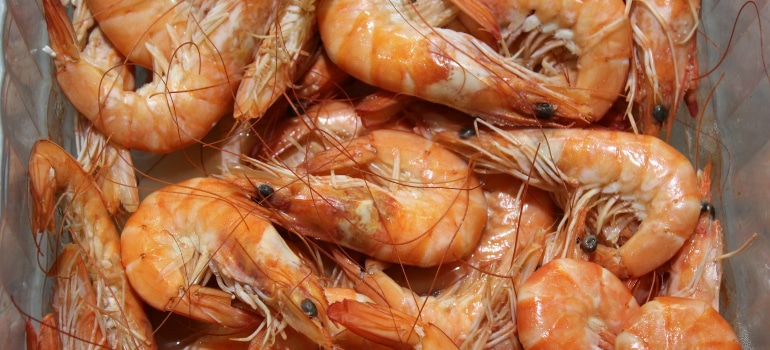
Seafood (e.g., Shrimp)
- Calories: 119 kcal per 100g
- Protein: 24g
- Fat: 1.7g
- Carbohydrates: 0g
- BCAAs: Approximately 3.5g
- Micronutrients: High in iodine, selenium, and vitamin B12
- Best Time to Eat: Lunch or dinner
Seafood, particularly shrimp, is a low-calorie, high-protein option that supports muscle development and metabolic health. Its rich micronutrient profile aids in thyroid function and energy metabolism. Incorporating seafood into your diet can diversify your protein sources and provide essential nutrients.
Almonds
- Calories: 579 kcal per 100g
- Protein: 21.2g
- Fat: 49.9g
- Carbohydrates: 21.6g
- BCAAs: Approximately 3.1g
- Micronutrients: High in vitamin E, magnesium, and fiber
- Best Time to Eat: Snacks or pre-workout
Almonds are nutrient-dense nuts that provide healthy fats, protein, and essential micronutrients. Their vitamin E content acts as an antioxidant, protecting muscles from oxidative stress. Consuming almonds as a snack can offer sustained energy, making them suitable for pre-workout consumption.
Quinoa
- Calories: 120 kcal per 100g (cooked)
- Protein: 4.4g
- Fat: 1.9g
- Carbohydrates: 21.3g
- BCAAs: Approximately 0.6g
- Micronutrients: Rich in magnesium, iron, and fiber
- Best Time to Eat: Lunch or dinner
Quinoa is a complete plant-based protein, containing all nine essential amino acids. Its complex carbohydrates provide sustained energy, while its fiber content aids in digestion.

Mixed Nuts
- Calories: 607 kcal per 100g
- Protein: 20g
- Fat: 54g
- Carbohydrates: 21g
- BCAAs: Approximately 2.8g
- Micronutrients: High in vitamin E, magnesium, and selenium
- Best Time to Eat: Snacks or pre-workout
Mixed nuts support healthy weight gain and lean muscle development—especially important for women looking to build strength without spiking insulin or adding processed calories. Nuts also promote satiety, making them a smart snack option for managing cravings and supporting consistent energy levels throughout the day.
A female bodybuilder personal trainer will often recommend mixed nuts for clients struggling to meet calorie goals or recover between sessions. Their portable nature makes them perfect for busy lifestyles, and their nutrient density benefits muscle growth, skin health, and overall vitality—essential for female athletes.
Tofu
- Protein per 100g: 10–12g (varies by firmness; firm tofu contains more protein)
- Calories per 100g: 76–144 kcal (lower for silken, higher for firm varieties)
- BCAAs: ~1.5g per 100g (notably rich in leucine, isoleucine, and valine)
- Macronutrients: Moderate fat (4–8g, mainly unsaturated), low carbohydrate (<3g), high-quality protein
- Micronutrients: Excellent source of calcium, iron, magnesium, zinc, and phosphorus—all vital for muscle contraction, recovery, and oxygen transport
- Best time to eat: Post-training—perfect with a carb source like quinoa or brown rice to aid in muscle recovery and glycogen replenishment
Tofu is a complete protein, making it an essential option for anyone following a plant-based diet. It supports lean muscle growth, reduces post-workout inflammation, and digests easily—ideal for those with sensitive stomachs.
FAQ
1. Can I build muscle without eating meat?
Yes, absolutely. You can build muscle effectively on a plant-based diet by incorporating complete protein sources like tofu, tempeh, soybeans, quinoa, and legumes. Combining plant proteins and ensuring you’re meeting your daily calorie and protein needs is key. Pay close attention to iron, B12, and zinc intake as well.
2. How many meals a day should I eat to support muscle growth?
There’s no one-size-fits-all answer, but most bodybuilders benefit from eating 4–6 smaller meals per day to maintain a steady flow of nutrients and support muscle repair. Spacing protein intake evenly across meals (around 20–40g per meal) can help maximize muscle protein synthesis.
3. Is it okay to eat fats while trying to gain lean muscle?
Yes, healthy fats are essential for hormone production, including testosterone, which plays a role in muscle development. Focus on sources like nuts, seeds, avocados, olive oil, and fatty fish. Avoid trans fats and limit refined oils.
4. What should I avoid eating while bodybuilding?
Try to limit highly processed foods, sugary snacks, and anything high in trans fats or added preservatives. These foods can cause inflammation, blood sugar spikes, and poor recovery. Instead, focus on whole, nutrient-dense foods that support long-term health and performance.
5. Do I need supplements if I eat the top 10 bodybuilding foods?
Not necessarily. If your diet is well-balanced and includes a variety of whole foods, you can meet most of your nutritional needs without supplements. However, depending on your lifestyle, training intensity, or dietary restrictions, you might benefit from specific additions like whey protein, creatine, or vitamin D—but always consult a professional first.

Implement as many of the top 10 bodybuilding foods into your diet!
Incorporating the top 10 bodybuilding foods into your daily routine isn’t just about what you eat—it’s about building consistent habits that support your fitness goals. To get the most out of the best foods for muscle growth, plan your meals around your workouts, track your protein intake, and adjust your portions based on training intensity. Meal prepping a few days ahead, staying hydrated, and pairing these foods with quality sleep and recovery can make all the difference. Progress doesn’t happen overnight, but with a balanced, whole-food approach, you’ll fuel muscle growth, boost energy, and recover faster—without relying on shortcuts. If you need help with any part of having a healthy diet, our personal trainers can help you! Keep the momentum going and trust the process.


 CALL NOW


