
What Muscles Do Mountain Climbers Work?
Find Your Personal Trainer
Published: May 24, 2024
Mountain climbers are a popular exercise you’ve probably seen in many workout routines. But do you know what muscles do mountain climbers work? This exercise, often recommended by personal trainer in Dubai, is effective for full-body conditioning and can be done anywhere. Let’s break down the muscles targeted by this versatile move.Primary Muscles Targeted by Mountain Climbers
Rectus Abdominis
The rectus abdominis, often called the “six-pack” muscle, plays a crucial role in stabilizing your torso during mountain climbers. This muscle helps maintain your posture, ensuring you don’t sag or arch your back. A strong rectus abdominis is essential for many other exercises and daily activities.Obliques
Your obliques are the muscles on the sides of your abdomen. They are responsible for rotational movements and lateral stability. When performing mountain climbers, your obliques engage to keep your body aligned and balanced. This tones your waistline and enhances your overall core strength.
Transverse Abdominis
The transverse abdominis lies beneath your rectus abdominis and obliques. This deep core muscle is vital for core stability and maintaining intra-abdominal pressure. When you perform mountain climbers, the transverse abdominis helps stabilize your spine and pelvis, reducing the risk of injury.Deltoids (Shoulders)
The deltoids are the muscles covering your shoulder joints. During mountain climbers, these muscles work hard to stabilize your arms and shoulders, keeping your upper body steady. This engagement helps improve shoulder strength and endurance.Pectorals (Chest)
Your pectoral muscles, or chest muscles, support your upper body position during mountain climbers. As you drive your knees towards your chest, your pecs help maintain the plank position, preventing your upper body from collapsing.Triceps
The triceps, located at the back of your upper arms, assist in stabilizing your elbows and supporting arm movement. When performing mountain climbers, strong triceps ensure your arms don’t buckle under pressure, allowing for smooth and controlled movements.Quadriceps (Front Thighs)
The quadriceps are the large muscles at the front of your thighs. They play a significant role in driving your knees towards your chest during mountain climbers. This movement strengthens your quads and improves your lower body endurance and power.Hamstrings (Back Thighs)
Your hamstrings, located at the back of your thighs, work alongside your quadriceps to support leg flexion and stabilization. During mountain climbers, your hamstrings help control the movement of your legs, ensuring a balanced and coordinated effort.Hip Flexors
The hip flexors are a group of muscles that lift your knees during mountain climbers. These muscles are crucial for the dynamic motion of this exercise. Strong hip flexors improve your overall mobility and prevent strain on your lower back.Glutes (Buttocks)
Your glutes are involved in hip extension and stabilization. When performing mountain climbers, your glutes engage to keep your hips level and prevent them from sagging. This engagement tones your buttocks and supports your lower back and improves your posture.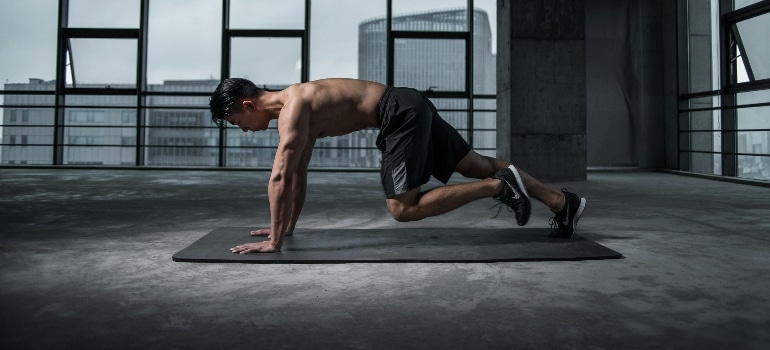
Serratus Anterior
The serratus anterior, located on the side of your chest, aids in stabilizing your scapula (shoulder blade) and supporting shoulder movement. During mountain climbers, this muscle helps maintain proper shoulder alignment, enhancing your upper body stability.Erector Spinae
The erector spinae are a group of muscles running along your spine. They assist in maintaining spinal alignment and stability. Strong erector spinae muscles are essential for avoiding back injuries and supporting overall posture during dynamic exercises like mountain climbers. Incorporating mountain climbers into your workout routine offers a comprehensive approach to fitness. By understanding what muscles mountain climbers work, you can appreciate the full-body benefits of this exercise. Not only does it target your core, but it also engages your upper and lower body, making it a powerful addition to any fitness regimen.Benefits of Doing Mountain Climbers
Mountain climbers are a versatile exercise that offers numerous benefits beyond just burning calories. Here are some additional advantages of incorporating mountain climbers into your workout routine:- Cardiovascular Endurance: Mountain climbers boost your heart rate quickly, improving cardiovascular health and increasing stamina.
- Flexibility and Mobility: This exercise enhances hip and shoulder flexibility, promoting better joint health and a greater range of motion.
- Coordination and Balance: Mountain climbers improve overall body coordination and balance, aiding performance in other physical activities.
Variations of Mountain Climbers and Their Targeted Muscles
Different variations of mountain climbers can target specific muscles more intensely. Here are a few examples.Cross-Body Mountain Climbers
Cross-body mountain climbers emphasize the obliques and hip flexors. Instead of driving your knee straight towards your chest, you move it towards the opposite elbow. This twist engages your core muscles even more, providing a deeper workout.Spiderman Mountain Climbers
Spiderman mountain climbers focus on hip mobility and lower body flexibility. As you bring your knee to the outside of your elbow, you increase the range of motion in your hips. This variation can help you achieve greater flexibility and improve your performance in other exercises.Elevated Mountain Climbers
Performing mountain climbers with your hands on an elevated surface increases upper body engagement. The elevated position requires more strength from your shoulders, chest, and triceps. This variation is excellent for those looking to build upper body strength while still working on their core and lower body.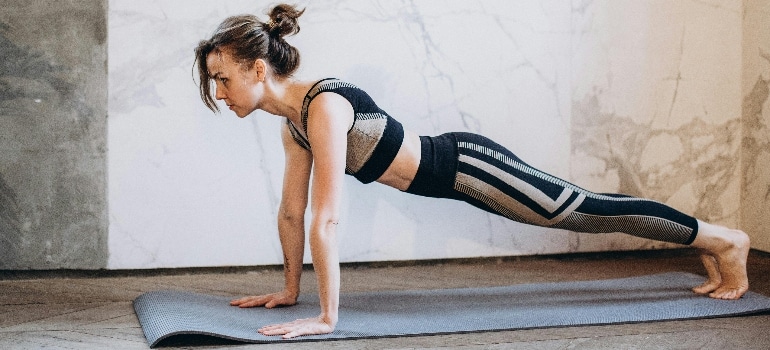
How to Perform Mountain Climbers Correctly
Performing mountain climbers correctly is crucial to avoid injury and maximize benefits. Here’s a step-by-step guide: Starting Position:- Place your hands on the ground, directly under your shoulders.
- Extend your legs behind you, keeping your body in a plank position.
- Ensure your body forms a straight line from your head to your heels.
Execution
- Drive one knee towards your chest, keeping your core tight.
- Quickly switch legs, bringing the opposite knee towards your chest.
- Continue alternating legs at a quick pace, maintaining a steady rhythm.
Common Mistakes to Avoid
Avoiding common mistakes can enhance the effectiveness of mountain climbers when doing a home workout. Here are some tips:- Don’t let your hips sag or arch your back. This can strain your lower back and reduce core engagement.
- Keep your hands and feet in the proper positions to maintain balance and stability.
- Maintain a consistent pace to ensure a high-intensity workout.


 CALL NOW


