
Why Great Trainers Ask More Questions Than They Answer
Find Your Personal Trainer
Published: June 20, 2025
Many people believe personal trainers should always have the answers. But great trainers don’t act like they know everything. They ask more than they tell. That’s because asking shows they care, they listen, and they want to understand what actually works for you. A thoughtful question can open new conversations, reveal hidden challenges, and lead to smarter plans. In this blog post, we’ll explore why great trainers ask more questions than they answer—and how that habit helps you grow, both physically and mentally. It’s one of the things that separates average trainers from truly effective ones. If you’re considering a career in fitness, take note: most successful coaches build their skills through real-life experience and strong communication. That’s also what makes personal trainer jobs in Dubai such a competitive and rewarding path.
Questions Build a Real Relationship
You can’t coach someone well if you don’t know who they are. Great training doesn’t start with shouting or handing out a fixed plan. It starts with listening. Questions help a trainer learn how a person lives, what they’ve tried before, and what they really want to change. A good coach might ask, “How did that last session feel?” or “What gets in the way during your day?” These questions show care. People don’t want to be ordered around. They want to feel heard.
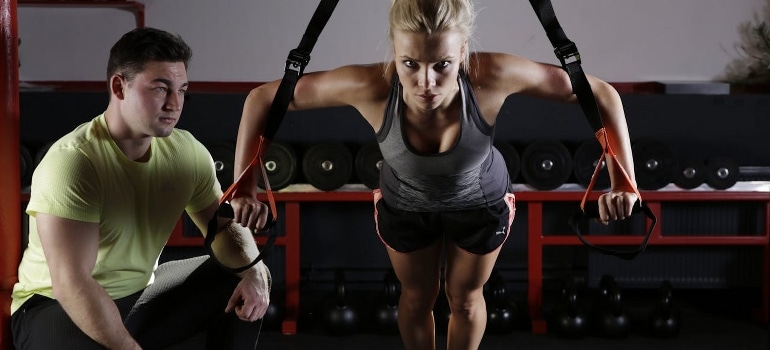
When someone feels understood, they trust the process. That trust builds over time and helps them stick with their goals. Let’s say a client is trying to follow a vegan meal plan in Dubai. A trainer who asks the right questions can help them stay on track, even when it’s hard. The more you ask, the more you learn—and that’s where real progress starts.
Questions Create Client Ownership
When trainers only give instructions, clients often tune out. They follow the plan, but they don’t feel involved. Things change when the trainer starts asking, “What do you think could work better this week?” or “Why is this goal important to you?” That kind of question makes the client think. It helps them feel like the training is theirs, not just something handed to them. This matters. People don’t stick with plans they didn’t help create. But when someone feels included, they try harder. They stay focused, even on the hard days. The plan becomes personal.
Asking the right questions helps clients see what’s working and what’s not. It teaches them to think about their own habits. If you’ve studied personal trainer courses Dubai, you’ll know that real change comes from that kind of reflection—not just following orders.
Questions Uncover the Root of the Problem
Many clients say they’re too tired or too busy to work out. But an experienced coach knows those aren’t the real reasons. The truth is usually deeper—things like poor sleep, stress, or low motivation. A good fitness trainer doesn’t guess. They ask.
Instead of assuming, skilled trainers use clear, open questions:
- “What’s making it hard to train lately?”
- “What happens right before you skip your workout?”
- “What food do you reach for when you’re feeling low?”
These questions lead to honest talks. They help both trainer and client understand what’s really going on. A person may not be lazy—they might be eating for comfort. Or they might skip sessions because they feel unsure. You won’t hear that unless you ask with care. When the trainer listens instead of judging, real change can begin.
Coaching Is Collaborative, Not One-Sided – Reasons Why Great Trainers Ask More Questions Than They Answer
Great trainers don’t act like they know everything. They treat the client as a teammate. Coaching works best when both sides talk and listen. When a trainer says, “Let’s figure this out together,” it shows respect. That approach helps the client feel involved and more open to speak up. Someone might say, “I hate running but love boxing.” A smart trainer hears that and adjusts the plan. These small talks help build a program the client actually wants to follow. When clients help shape their workouts, they stick with them.
Questions Lead to Sustainable Change
Most people can stick to a plan for a few weeks. But long-term change needs more than just willpower. It starts with asking better questions—like “why?”
These questions help clients find their own reasons:
- Why do you want to lose weight?
- Why does that matter to you?
- What would change if you reached that goal?
When people answer these, they connect with what really drives them. That motivation helps them stay on track, even when it’s hard. Trainers who take the time to ask keep their clients focused on what matters most. Habits last when people understand the “why” behind them. Better sleep, regular meals, and staying active all make more sense when the client sees the value. Telling feels quick, but asking builds real change that sticks.
It’s a Sign of Experience, Not Insecurity
Trainers who ask questions aren’t unsure—they’re skilled. New trainers often feel pressure to talk nonstop or show off what they know. But experienced trainers stay quiet longer. They listen more. They ask questions and let silence work. This calm confidence shows they’re focused on the client, not on impressing anyone. They know the goal isn’t to prove something. It’s to help someone grow. That takes time, patience, and curiosity.
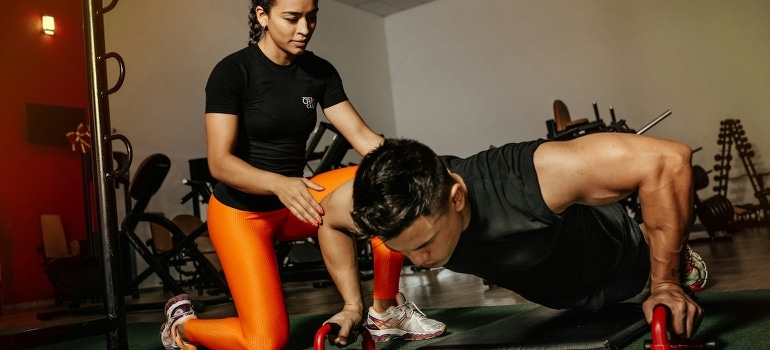
You can often spot a seasoned coach by how much they listen. They don’t give fast answers or long speeches. They ask one smart question, then pay close attention. Also, they know that change starts with being heard. Clients respect this. They trust trainers who don’t rush, who ask before they answer, and who guide without pushing.
Why Top Personal Trainers Ask More Questions and Listen First
Great training isn’t about who talks the most. It’s about who listens well and asks the right things. A thoughtful question can unlock growth that no set of reps ever could. It builds trust, sparks motivation, and leads to deeper change. That’s why great trainers ask more questions than they answer. If you’re working with someone who takes time to listen and reflect with you, that’s a sign you’re in good hands. And if you’re thinking about becoming a trainer yourself, remember this: coaching is a skill, not a performance.


 CALL NOW


