
Why Slower Reps Can Sometimes Build More Strength
Find Your Personal Trainer
Published: December 24, 2025
Many people assume lifting fast builds more strength, but moving slowly can have a bigger impact. Slower reps increase time under tension, which helps muscles work harder and grow stronger. They also improve focus and control, reducing injury risk. By practicing slow, deliberate movements, you connect better with your muscles and track progress more effectively. DubaiPT Personal Trainers recommend slowing down lifts to maximize results while maintaining proper form. Understanding why slower reps can sometimes build more strength helps you train smarter and safer.

Understanding the Science Behind Slow Reps
Slow reps work because they increase time under tension, which forces muscles to engage longer. This builds strength more efficiently. Muscles respond better when you lift with control instead of relying on momentum. Slow movements activate both fast-twitch and slow-twitch fibers, improving overall muscle recruitment.
You also strengthen tendons and connective tissue, which supports joints and prevents injuries. Focusing on each rep improves your mind-muscle connection, helping you feel which muscles work hardest. Slower lifts also let you notice weaknesses or imbalances in your body. Experts recommend counting seconds during the lowering and lifting phases to maximize results.
Using slow reps helps maintain proper form, even with heavier weights. Over time, this method increases strength and muscle endurance effectively. Understanding the science behind slow reps makes training smarter, safer, and more productive for anyone.
How Slower Reps Affect Strength Gains
Slower reps improve strength gains because muscles stay under tension longer, which stimulates growth more effectively. Controlled movements recruit more muscle fibers, including both fast-twitch and slow-twitch types. This leads to better overall strength development. Using a slower tempo also reduces reliance on momentum, forcing your muscles to do real work.
A personal trainer for muscle gain often recommends lowering weights for three to five seconds, then lifting slowly. This method enhances progressive overload, which helps muscles adapt and grow stronger over time. Slower reps also improve stability and joint support, reducing the risk of injury while lifting heavier loads.
Additionally, focusing on each repetition strengthens the mind-muscle connection, helping you feel which muscles activate most. Integrating slow reps with your regular routine balances endurance, control, and strength. Over time, this approach produces noticeable improvements in both power and muscular size.
Practical Benefits of Slower Reps
Slower reps improve muscle activation and help you build strength more effectively. They increase time under tension, making muscles work harder. Controlled movements enhance joint stability and reduce injury risk. Slower reps also improve technique and mind-muscle connection, helping you feel which muscles engage most.
You can lift lighter weights safely while still challenging muscles. They work for both beginners and experienced lifters. Tracking slow reps makes progress easier to measure. Using slow reps in compound and isolation exercises boosts endurance and strength simultaneously. Overall, slower reps provide practical benefits that make workouts safer, more efficient, and more effective for long-term results.
Exercises That Work Best With Slower Reps
Slower reps work best with exercises that let you control movement and focus on muscle engagement. They increase time under tension, improving strength and form. You can apply slow reps to both compound and isolation exercises for better results.
Compound Movements
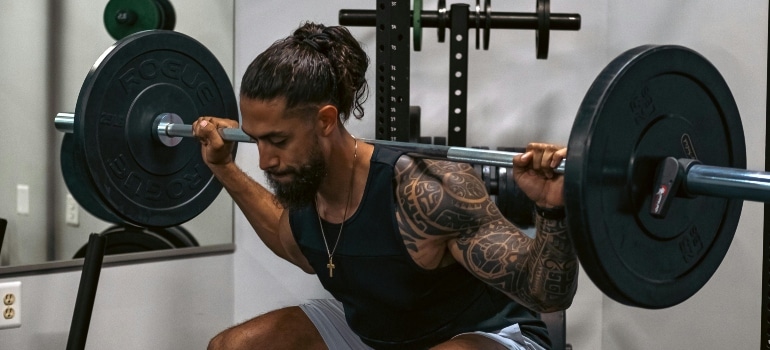
Compound lifts involve multiple joints and muscles. Exercises like squats, deadlifts, and bench presses benefit from slow reps. Lower the weight for three to five seconds, then lift steadily. This approach builds strength and improves balance.
Isolation Exercises
Isolation exercises target a single muscle. Examples include bicep curls, tricep extensions, and leg curls. Slowing down each rep increases muscle activation and growth. You can control the movement and feel the targeted muscle working.
Core and Abs Workout
Abs workouts also benefit from slower reps. Exercises like crunches, leg raises, and planks performed slowly improve core strength and stability. Controlled movements maximize engagement and reduce strain.
Mistakes to Avoid When Performing Slow Reps
Slow reps can boost strength, but some common mistakes reduce their effectiveness. Avoid these errors to get better results and stay safe.
- Sacrificing form for speed or ego: Some people lift too much weight too fast. This reduces muscle engagement and increases injury risk. Focus on control, not heavy loads.
- Holding your breath too long: Breathing incorrectly can cause dizziness or strain. Exhale during exertion and inhale during the lowering phase for steady oxygen flow.
- Not adjusting weight for slower tempo: Using the same weight as fast reps makes slow reps too difficult. Reduce weight to maintain proper form and control.
- Overtraining: Slower reps feel easier, but muscles still work hard. Avoid doing too many sets or training the same muscle too often.
- Using momentum instead of muscle control: Swinging the weight defeats the purpose of slow reps. Focus on deliberate, controlled movements to maximize strength gains.
Integrating Slower Reps Into Your Routine
Integrating slower reps into your routine improves strength and muscle control effectively. Start with one or two exercises per session. Focus on lowering the weight for three to five seconds and lifting steadily. You can mix slower reps with regular speed exercises to balance endurance and power. During a HIIT workout, include controlled movements like slow squats or push-ups to maintain tension while keeping your heart rate high.
Track the number of slow reps and gradually increase them over time. Adjust the weight to match the slower tempo without compromising form. Pay attention to how your muscles feel during each rep. Using slower reps alongside faster lifts prevents burnout and promotes steady progress. Combining these techniques improves overall strength, stability, and mind-muscle connection. Following a structured plan helps you integrate slow reps safely and effectively into your regular training sessions.

Discover Why Slower Reps Can Sometimes Build More Strength
Slower reps help you build strength, improve control, and reduce injury risk. They increase muscle activation and improve mind-muscle connection. You can use them in both compound and isolation exercises, including abs workouts, for better results. Focusing on slow, deliberate movements allows you to lift safely and track progress clearly. Combining slow reps with faster lifts balances endurance and power. Understanding why slower reps can sometimes build more strength helps you train smarter and achieve steady, long-term improvements in muscle size and overall fitness.


 CALL NOW


