
How to Overcome Muscle Soreness After Workout?
Find Your Personal Trainer
Published: September 5, 2024
When you try out new workouts or push yourself harder than usual, muscle soreness is common afterwards. This is referred to as delayed onset muscle soreness (DOMS) and occurs about one or two days following a workout, leading to stiffness and tenderness in your muscles. It’s normal to experience some pain, but managing it properly is crucial so it doesn’t affect your subsequent training sessions or daily activities. Knowing how to overcome muscle soreness after workout, possibly with the guidance of a personal coach Dubai, can help you heal more quickly and stay on track with your fitness target. Find practical tips and techniques for dealing with pain to recover faster.
Incorporate Gentle Stretching
Gentle stretching after a workout greatly helps reduce muscle soreness. Stretching maintains muscle flexibility, enhances blood flow, and prevents stiffness caused by intense physical exercise.

Benefits of gentle stretching include:
- Reducing muscle tension: Stretching helps release the tension that builds up in your muscles during a workout. By lengthening those muscles, you reduce the tightness, which can lead to aching.
- Improving flexibility: Regular stretching after exercise improves overall flexibility. This makes it easier to execute exercises properly and lowers the risks of future injuries during workouts.
- Promoting better blood flow: Through stretching, blood flows better through your muscles. The improved flow aids in bringing oxygen and necessary nutrients for muscle recuperation thereby hastening healing.
Focusing on specific stretches for each body part can help you. For example, a home workout that includes hamstring and quadriceps strech at least twice after leg day will prevent too much tightness in that area.
Stay Hydrated
Water supports your body in many ways, especially after exercise. It helps flush out toxins that build up in your muscles during workouts. When you stay hydrated, your blood flow improves, allowing more oxygen and nutrients to reach your muscles. This can reduce the stiffness and pain you might feel after exercising.
To stay hydrated, start by drinking water before you exercise. Sipping water during your workout keeps you hydrated and helps prevent dehydration. After your workout, continue to drink water to replace the fluids you lost. If you’re working out in hot weather or for long periods, consider adding an electrolyte drink to help restore the salts your body loses through sweat. Staying consistent with your water intake will make a noticeable difference in how quickly you recover and how you feel overall.

Use Foam Rolling
Foam rolling is a popular method for overcome muscle soreness after a workout. It is a form of self-massage that targets the fascia, the connective tissue surrounding your muscles. When you exercise, this tissue can become tight or develop small knots, leading to soreness and stiffness. By rolling over these areas with a foam roller, you can help break up these knots and improve the flexibility of the tissue.
Apply Cold and Heat Therapy
Cold and heat therapy are two common ways to treat muscle soreness after a workout. Both can work, but it is important to know the appropriate use of each of them which can make a huge difference in your recovery process.
When to Use Cold Therapy
This involves putting something cold on the sore muscles, like ice packs or cold baths. It is best used right after exercising especially when there is swelling or sharp pain experienced. The cold helps shrink the blood vessels, which will reduce inflammation and numb the area and reduce discomfort.
When to Use Heat Therapy
On the other side, heat therapy is more suitable for relaxing stiff or tight muscles once the inflammation has gone down in inception. To apply heat therapy one can make use of items like a hot bath, heating pad, or hot towel because these act by increasing blood flow to affected areas relax tight muscles, and reducing tension. For effective results, it’s better if you apply heat therapy from day two post-training session since immediate muscle pain would have already subsided, resulting in soreness.
Incorporate Light Physical Activity
Incorporating light physical activity into your recovery routine can help alleviate muscle soreness and keep you moving comfortably. Even after an intense workout, engaging in gentle movements, such as back pain exercises, can actually speed up the recovery process.
Examples of Light Activities
Consider these types of low-intensity exercises and you’ll know how to overcome muscle soreness after workout:
- Walking: A walk can help keep your muscles active and promote blood flow without putting too much strain on your body.
- Cycling: Riding a stationary bike at a gentle pace is an excellent way to get your legs moving and increase circulation.
- Swimming: Swimming at a relaxed pace can be soothing for sore muscles while providing a full-body stretch.
- Yoga: Gentle yoga poses can improve flexibility and reduce muscle tension, helping you recover more quickly.
Start with activities that you enjoy and that don’t put too much pressure on sore muscles. Aim for about 20 to 30 minutes of light exercise a few days after your workout or whenever you feel up to it. Listen to your body and adjust the intensity based on how you feel.
Consider Anti-Inflammatory Foods and Supplements
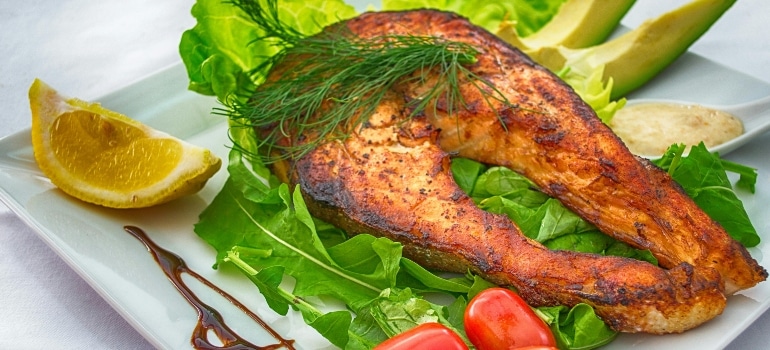
Supporting muscle recovery and reducing soreness is possible by eating foods with natural anti-inflammatory properties. Consumption of omega-3 fatty acids-rich foods like flaxseeds and salmon can be useful in lowering inflammation within the body. Similarly, fruits and veggies containing high quantities of antioxidants, such as spinach, berries, and kale vegetables will also do a good job. These nutrients help to fight oxidative stress, which may lead to muscle pain.
Additionally, some supplements may assist in muscle recovery and reduce fever, too. Omega-3 fish oil supplements are widely used due to their anti-inflammatory effects. They can reduce muscle swelling by improving general recovery rates. Another option worth trying is curcumin which is found in turmeric since it has been known to bring down muscle tenderness or inflammation. Ginger supplements also have properties that ease muscles’ aches while reducing inflammation.
Learn How to Overcome Muscle Soreness after Workout
If you want to manage muscle soreness after a workout, several ways can be very efficient. Drinking enough water, stretching gently, and using a foam roller can help reduce pain and promote muscle recovery. Additionally, cold and hot treatments make a significant difference. Incorporating easy physical activities enables you to keep your muscles functioning without exerting too much pressure on them. At the same time, eating anti-inflammatory foods and supplements can lower pain dramatically and speed up repair. Consulting with a fitness trainer Dubai can provide personalized advice tailored to your specific needs. Understanding how to overcome muscle soreness after workout allows you to recover more quickly and get back to your fitness routine with less discomfort. Use these tips diligently to maintain your overall health and work towards your fitness ambitions consistently.


 CALL NOW


