
Why Am I Gaining Weight Even Though I Work Out Regularly?
Find Your Personal Trainer
Published: April 20, 2026
It is frustrating to train hard, skip sessions less often, and still watch the scale climb. If you keep asking why am I gaining weight even though I work out regularly, the answer is usually simpler than it feels. In many cases, the problem is not failure. It is a mix of water retention, stored glycogen, muscle gain, higher food intake, lower movement outside the gym, poor recovery, or an issue that needs medical attention. Many people start with generic plans, then get better results once they work with the best personal trainers in Dubai who can match training, food, and recovery to one clear goal.
Why Can the Scale Go Up When Your Plan Is Working?
Yes, the scale can rise even when your body is improving. Body weight includes fat, muscle, water, glycogen, food volume, and normal daily fluctuations, so it does not measure fat loss by itself. Cleveland Clinic notes that day-to-day weight changes of a few pounds are common, and early training weight gain is often temporary.
Before the subheadings below, it helps to remember one key idea. Body composition is the ratio of fat mass to lean mass in your body. A better body composition can mean less fat and more muscle, even if total scale weight does not drop right away.
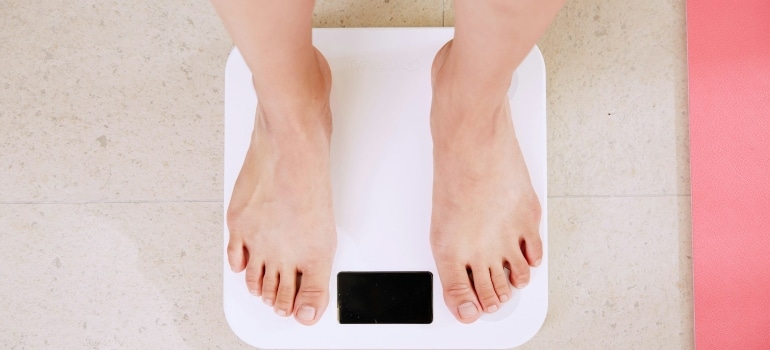
Water retention and glycogen can mask fat loss
Hard workouts create tiny amounts of muscle damage, and your body holds extra fluid while it repairs that tissue. Glycogen can also push the scale up. Glycogen is the stored form of carbohydrate kept in your muscles and liver for energy, and it binds with water. Cleveland Clinic says this can add about 1–3 pounds of temporary weight when you start training more often. High-sodium meals, hormone shifts, and digestion can do the same thing.
Muscle gain can happen while fat loss is happening
Strength training can add lean mass while fat loss is happening in the background. That is why your waist can shrink while the scale stays flat or moves up. Cleveland Clinic notes that muscle is denser than fat and takes up less space, so better progress often shows up first in photos, measurements, strength numbers, and clothing fit.
Are You Eating in a Way That Matches Your Training?
For most people, food intake decides whether exercise turns into fat loss. NIDDK states that losing weight depends on a healthy eating plan you can maintain over time, while physical activity helps you use more calories and maintain weight loss. That is why structured nutrition usually matters more than “eating clean” without a plan. If meals are inconsistent, portion sizes drift, or weekends undo weekday effort, a plan like weight loss meal plans Dubai can remove guesswork and make progress easier to repeat.
This section usually comes down to three problems. Each one is common, and each one is fixable once you measure it honestly.
You may be eating back more calories than you burn
Exercise can increase hunger, especially after intense sessions. Cleveland Clinic notes that a short post-workout eating window can quickly replace the calories you just burned. Liquid calories, “healthy” snacks, restaurant portions, and reward meals often do more damage than the workout can offset.
Your weekends may look very different from your weekdays
A strong Monday to Friday routine cannot fix two days of overeating, skipped sleep, and low activity. NIDDK recommends tracking food intake, physical activity, and weight so you can spot patterns instead of guessing. That matters because most people do not struggle from one meal. They struggle from repeated habits that look small in the moment.
Stress and poor sleep can raise appetite and reduce control
Sleep affects body weight more than most people expect. The CDC says adults ages 18–60 should get 7 or more hours of sleep, and good sleep supports healthy weight, stress control, and metabolism. When sleep drops, food choices often get worse, training quality falls, and recovery slows down.

Is Your Workout Built for Fat Loss?
Not always. Many people are active, but not in a way that matches their goal. WHO recommends at least 150 minutes of moderate activity per week, or 75 minutes of vigorous activity, plus muscle-strengthening work on 2 or more days each week. That gives you a clear floor, but fat loss usually needs more than hitting the minimum and hoping for the best. A structured setup, even one supported by the best workout apps, works better when it includes progressive strength training, enough daily movement, and recovery days.
There are two parts of training that readers often miss. One is what happens inside the gym. The other is what happens during the other 23 hours of the day.
Too much intensity can backfire
More effort is not always better. Cleveland Clinic lists weight gain, insomnia, fatigue, and performance decline as possible signs of overtraining. When people feel stuck, they often respond by adding more cardio, more circuits, and fewer rest days. That can make hunger, inflammation, and stress worse.
Daily movement outside the gym matters more than people think
NEAT stands for non-exercise activity thermogenesis. It is the calories you burn through walking, standing, chores, stairs, and general daily movement outside planned exercise. NCBI’s Endotext notes that rising exercise energy use can be partly offset by higher energy intake and compensation in daily movement. In plain terms, you can train hard for one hour, then sit more for the rest of the day and erase part of the benefit.
What Should You Check Before You Assume Nothing Is Working?
Start with a two-week audit, not a new crash plan. A short audit tells you whether the issue is water, food intake, poor recovery, or a weak training structure. NIDDK also recommends keeping track of food, activity, and weight because trends matter more than one isolated weigh-in.
For a useful self-check, do these five things in order:
- Weigh yourself at the same time three or four mornings each week.
- Track portions, drinks, snacks, and weekend eating for 14 days.
- Count daily steps, not just gym sessions.
- Measure your waist and take progress photos once per week.
- Check sleep length, stress, soreness, and training recovery.
When Should You Get Expert Help in Dubai?
If your scale keeps rising for six to eight weeks despite a clear plan, get help. A qualified fitness trainer Dubai clients can trust should help you review calorie intake, step count, strength progress, recovery, and form before telling you to simply work harder. That outside view often saves months of wasted effort.
This is also the point where you should rule out medical causes instead of blaming yourself.
Medical signs you should not ignore
NIDDK lists fatigue, weight gain, cold intolerance, dry or thinning hair, and irregular periods among common symptoms of hypothyroidism. NICHD lists weight gain or trouble losing weight, irregular periods, acne, increased hair growth, and dark skin patches among PCOS symptoms. Medication effects, hormone-related water retention, and unexplained rapid changes can also matter.
Why coaching turns frustration into progress
Most frustrated readers do not need more motivation. They need a plan that matches their body, schedule, and goal. A good coach can adjust training volume, set realistic calorie targets, watch your recovery, and choose better progress markers than scale weight alone. That is what turns “I work out all the time, but nothing changes” into a process that actually moves.

So, Why Am I Gaining Weight Even Though I Work Out Regularly?
If you have been asking why am I gaining weight even though I work out regularly, do not assume exercise is useless or that your body is fighting you for no reason. The scale can go up because of water, glycogen, muscle gain, overeating after workouts, low daily movement, poor sleep, overtraining, or a health issue that deserves attention. The fix is not random effort. The fix is a clear training plan, a food plan you can maintain, and expert feedback that shows what needs to change next. That is where DubaiPT can help turn hard work into visible results.


 CALL NOW


