
Caffeine-free Ways to Boost Energy In Dubai
Find Your Personal Trainer
Published: November 4, 2023
Are you tired of relying on caffeine to kickstart your day? If you’re looking for natural and caffeine-free ways to boost energy levels, you’re in the right place! Caffeine can lead to jitters and energy crashes, making it a less-than-ideal solution for many. Fortunately, there are plenty of healthier alternatives to help you stay alert and focused. In this blog post, DubaiPT Personal Trainers will explore a variety of simple and effective methods to revitalize your energy naturally. Whether you’re a student, a professional, or just someone seeking a more sustainable energy source, we’ve got you covered. From dietary changes to lifestyle adjustments and quick energy-boosting exercises, you’ll discover practical solutions that can help you stay energized throughout the day.
What Gives You Energy Better Than Caffeine?
Caffeine is the go-to pick-me-up for many, but it comes with limitations and potential downsides. While a quick fix, it leaves us craving more and more as tolerance builds. Its stimulating effects can disrupt our sleep patterns, leading to a tired, groggy start to the day. Moreover, the jittery side effects can make it challenging to concentrate on tasks.

Fortunately, there are natural methods that can provide superior and longer-lasting energy that leads to a healthy lifestyle. Regular physical exercise, for instance, increases the body’s overall stamina and enhances mood through the release of endorphins. A balanced diet rich in whole grains, fruits, vegetables, and lean proteins supplies sustained energy by regulating blood sugar levels.
Adequate hydration also plays a vital role in maintaining energy levels as dehydration can lead to fatigue. Furthermore, mindfulness practices like meditation and deep breathing reduce stress and promote mental clarity, which can help sustain focus and vitality.
What foods give you energy without caffeine?
Several foods can provide sustained energy without caffeine, thanks to their nutrient-rich profiles. Here’s a list of such energy-boosting foods:
- Oats: Oats are high in complex carbohydrates and fiber, providing a slow and steady release of energy.
- Bananas: Rich in natural sugars, particularly fructose and glucose, bananas provide quick energy. They also contain potassium, which helps prevent muscle cramps.
- Sweet Potatoes: These starchy vegetables are packed with complex carbohydrates, fiber, and vitamins.
- Nuts and Seeds: Almonds, walnuts, chia seeds, and flaxseeds are excellent sources of healthy fats and protein, providing long-lasting energy.
- Lean Proteins: Chicken, turkey, tofu, and legumes are rich in protein, helping maintain energy levels and promoting fullness.
- Leafy Greens: Spinach, kale, and other leafy greens are high in iron and B vitamins, which support the production of red blood cells and energy metabolism.
- Whole Grains: Foods like brown rice, quinoa, and whole wheat bread contain complex carbohydrates and fiber.
To incorporate these foods into your daily meals and snacks, consider preparing balanced meals that combine carbohydrates, proteins, and healthy fats. For example, a salad with leafy greens, grilled chicken, nuts, and a vinaigrette dressing can provide a well-rounded energy boost. You can also explore healthy meal plans Dubai personal trainers offer, instead of having to come up with your own.
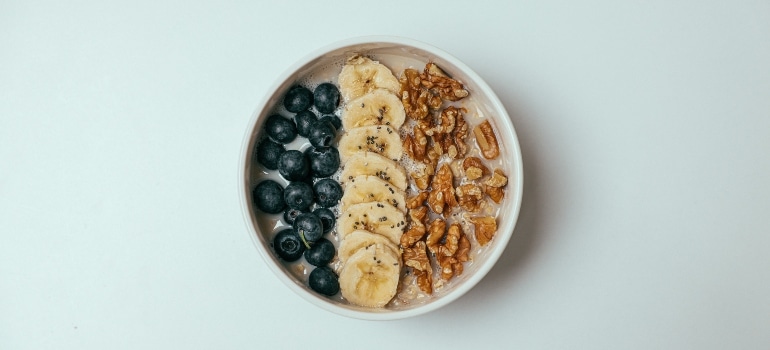
Additionally, stay hydrated, as even mild dehydration can lead to fatigue. Experiment with different combinations of these energy-boosting foods to find what works best for your individual preferences.
Are There Energy Drinks Without Caffeine?
Caffeine-free energy drinks can be a viable option for those who want an energy boost without caffeine’s stimulating effects or for individuals who are sensitive to caffeine. However, they may not provide the same level of alertness or immediate energy that caffeine-containing energy drinks do. Thus, always read the ingredient label and nutritional information. Here are some examples:
- B-Vitamin: Many caffeine-free energy drinks contain B vitamins, such as B6 and B12. These vitamins are essential for energy metabolism and can help combat fatigue. They work by converting food into energy.
- Amino Acids: Certain amino acids, like taurine and L-carnitine, are commonly found in caffeine-free energy drinks. Taurine can improve mental focus, and L-carnitine is involved in the transport of fatty acids into cells to be used for energy production.
- Adaptogenic Herbs: Some energy drinks incorporate adaptogenic herbs like ginseng, ashwagandha, or rhodiola. These herbs have been shown to help the body adapt to stress.
- Natural Fruit Juices: Some caffeine-free energy drinks use natural fruit juices, like pomegranate or acai, which are rich in antioxidants and vitamins.
- Electrolytes: Electrolyte-infused energy drinks can help replenish minerals like potassium, sodium, and magnesium, which are essential for muscle function and maintaining hydration.
Weight Loss and Energy
The relationship between weight loss and energy levels is deeply intertwined. Caffeine, while it offers a temporary boost, can lead to erratic blood sugar levels, fostering energy fluctuations that can trigger unhealthy snacking. In contrast, adopting a caffeine-free approach, like consuming balanced combinations of complex carbohydrates and proteins, helps stabilize blood sugar, reducing cravings for high-calorie snacks and thus aiding weight loss.
Additionally, caffeine can disrupt sleep patterns, which, when disturbed, can boost cravings for sugary, calorie-laden foods. By replacing caffeine with better sleep, individuals can make healthier dietary choices and have the energy to engage in physical activities that contribute to weight loss.

Moreover, sustained energy through a caffeine-free approach, such as maintaining a balanced diet and regular exercise, can help people stay active and motivated while working with their personal trainer for weight loss. Lastly, avoiding chronic caffeine consumption reduces stress and anxiety levels, thereby minimizing emotional eating, a factor linked to weight gain.
Insulin Resistance and Sustainable Energy
Insulin resistance, a condition where the body’s cells lose their responsiveness to insulin, the hormone responsible for regulating blood sugar levels, can disrupt energy levels. This resistance often leads to erratic blood sugar levels, causing energy fluctuations, spikes, and crashes, which can result in fatigue and sluggishness. However, caffeine-free energy sources, like whole grains and foods rich in fiber, help maintain steady blood sugar levels by releasing energy slowly.
Additionally, these healthier energy sources can reduce sugar cravings and support weight management, which is closely tied to improved insulin sensitivity and increased overall energy. They also help reduce inflammation, a common consequence of insulin resistance, thereby promoting better energy levels. Therefore, an insulin resistance meal plan Dubai residents recommend can help you stabilize blood sugar, reduce insulin resistance, and experience more sustainable energy levels.
The best caffeine-free ways to boost energy
Our energy levels are intricately linked to our lifestyle choices, and caffeine-free alternatives offer a holistic approach to maintaining vitality and well-being. Opting for whole foods, staying well-hydrated, and engaging in regular exercise are fundamental steps to support sustainable energy without relying on caffeine. The benefits of this approach extend beyond energy levels, encompassing better sleep, reduced stress, and overall physical and mental well-being. So, the next time you seek an energy boost, consider exploring the diverse range of caffeine-free ways to boost energy.


 CALL NOW


