
Gluten-Free Diet: What To Avoid, Benefits, Tips, And More
Find Your Personal Trainer
Published: January 20, 2023
There has been quite a fuss around the gluten-free diet in recent years. There have been many debates about whether this is just another fad diet or if there is actually something to it. Many celebrities quickly jumped on board, resulting in more publicity for this diet. So, becoming gluten-free nowadays has become as popular as going vegan. However, it’s not just the celebrities who have seen the many benefits of this type of diet. Many medical professionals, alongside the best personal trainers in Dubai, recommend it as one of the best ways to nourish your body. Therefore, in this article, we will see the benefits of being gluten-free, what you should avoid, and what tips you can incorporate into your daily lifestyle. Enjoy!
What is gluten?
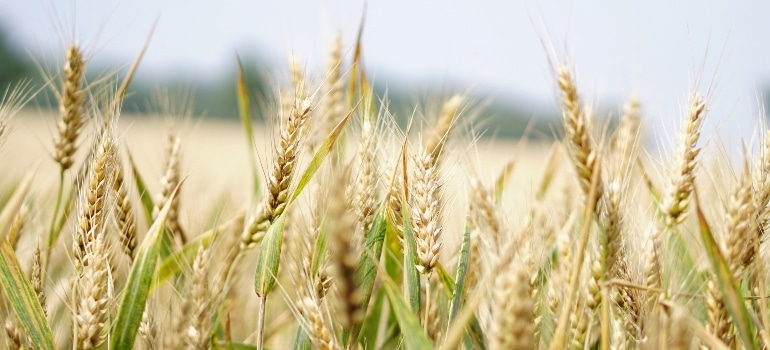
Gluten is a protein that can be found in certain grains. The grain that is most associated with gluten and that we most commonly use in our nutrition is wheat. However, grains like rye, barley, spelt, and kamut also contain gluten and are frequently used in the kitchen. Because of its sticky texture, gluten gives elasticity to dough, so it’s constantly used for making bread. It’s an essential ingredient that gives the dough its shape and fluffiness, so using flours that don’t have gluten, even when on a vegan meal plan Dubai, makes them complicated to work with.

Food that contains gluten
Since people with gluten intolerance often struggle to lose weight, combining a gluten-free diet with weight loss meal plans in Dubai is an excellent idea. If you wish to be gluten-free, it would be best to avoid the following foods that are packed with it:
- Bread
- Cookies and crackers
- Bakery products
- Cornflakes and other food containing barley malt
- Oat
- Sauces
- Couscous, durum and bulgur
- Beer
Is there a way to make bread without gluten?
Of course! There are many flours that are made from grains that don’t contain glute. The most commonly used flour without gluten is corn, rice, flour, and millet flour, as well as more expensive flour like quinoa and amaranth. However, some not so often used flours are growing in popularity. You’ll see more and more people on a keto meal plan in Dubai reaching for chickpea and buckwheat flour and even potato and pea flour. In a gluten-free diet, you can also use coconut flour and tapioca flour, which are excellent for making sweet desserts and puddings.

Be careful when using gluten-free flour
However, dough made with one of the flours mentioned above can be very tricky to handle. It can quickly become inedible, hard, and rubbery if not applied correctly. Since it doesn’t contain that sticky part other flours with gluten have, it may be a good idea to use certain substitutes for gluten. You can use baking powder, mineral water, xanthan rubber, or guar rubber.
The power of s gluten-free diet
Did you know that excluding gluten from your diet can help you if you generally feel bad? Do you have occasional headaches, feel bloated, have low energy levels, have skin issues, or have trouble with digestion? Do you often feel weak, depressed, or struggle to lose weight? Gluten may be the main culprit behind these issues. This text will answer your questions if you have been thinking of ditching gluten and whether it’s necessary.
The first thing you need to know is that gluten poses no threat to healthy people. It can cause some mild unpleasant symptoms but won’t create any real issues. However, there is such a thing as gluten intolerance. Thanks to the publicity, Dubai meal plans without gluten were made because of celebrities that saw the benefits, and the awareness of gluten intolerance spread across the globe. This had numerous benefits for those suffering from celiac disease and those allergic to wheat.
The celiac disease
Celiac disease is a severe autoimmune disease that can take a long time to diagnose and even longer to treat. What happens is that the body mistakes gluten for a harmful foreign entity. In order to eliminate this threat, the body launches an invasion of the gluten proteins. Naturally, the surrounding areas, like the gut wall, get damaged in the process. This further causes severe digestive issues and increases the risk of harmful diseases. Most often, symptoms people with this disease have are: bloating, weight loss, sharp stomach pain, diarrhea, constipation, skin rashes, and other stomach discomforts.
How can avoiding gluten help with celiac disease?
In addition, the number of people with wheat allergies grows yearly, starting from a very early age. Furthermore, there are also people whose bodies have mild reactions when they encounter gluten. So, this is what we call gluten intolerance. However, treating celiac disease, wheat allergies, and other gluten intolerances is possible. The only important thing is that people suffering from these issues avoid gluten in their nutrition and transition to a gluten-free meal plan in Dubai as soon as possible.
What problems can gluten cause in your body?
When speaking about the symptoms gluten can cause, the most common ones are skin problems, digestive tract issues, headaches, and respiratory problems. Gluten is often seen as the leading cause of many medical issues, such as sleepiness, fatigue, headache, and excess weight. Many medical professionals nowadays recommend avoiding gluten to help with autoimmune problems like arthritis, autism, multiple sclerosis, etc. Those who have trouble gaining weight can also incorporate this diet into their nutrition, whether or not they are already using a fitness meal plan in Dubai to help with weight gaining.

What does a diet without gluten entail?
Besides the necessary gluten-free diet plan for those struggling with health issues and those allergic to wheat, this diet can be beneficial for anyone who wants to make healthy changes in their nutrition. Focusing on the right food makes us ditch old, unhealthy habits like going to the bakery daily. This diet has many benefits, and it doesn’t have to be complicated if you know the rules.
The most significant issue people face when wanting to become gluten-free is that gluten can be hidden in many products. Many items that usually don’t contain this grain naturally can be contaminated with it during the mixture in manufacturing or additions to some recipes. So, gluten can be found in certain dairy and corn products. Some products we would never imagine to have gluten contain it in traces. The most common ones are soy, ketchup, cornflakes, sauces, and various snacks. This is why it’s important to always check the ingredient list before buying a product.
Foods that are safe to eat in a gluten-free diet
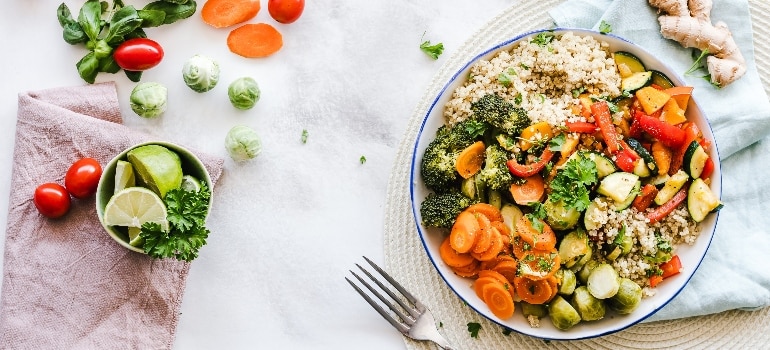
However, keep in mind that the gluten-free diet can also be used if you are on a muscle building diet plan. Since it promotes a higher meat intake, this can be excellent for your gains in the gym. Also, the basis of a diet without gluten focuses on more fruits and vegetables and less processed foods. Therefore, if you wish to start this diet, you may want to focus on increasing the intake of the following:
- Meat and fish
- Eggs and dairy
- Meat products that are confirmed to be gluten-free
- Fruits and vegetables
- Chocolate and candy
- Nuts
- Wine and juices
The benefits of a gluten-free diet
A nutrition plan without gluten is recommended to many. We have seen that medical professionals recommend it to help with the treatment of various diseases and issues. Nevertheless, professional fitness trainers recommend this diet to those who want to gain or lose weight. The results are visible after a short while, significantly if you decrease both the intake of food containing gluten and the food that doesn’t.

Those who tried the diet say that the first results are visible after two weeks. They have noticed their metabolism is faster. However, the first thing you will see after excluding gluten from your keto meal plan in Dubai depends on the symptoms you previously had. Nevertheless, you will feel better, have more energy, and be less bloated.
Is a gluten-free diet suitable only for those with medical problems?
Avoiding gluten is recommended for those who want a healthier overall lifestyle and nutrition. It can be a great start to incorporating healthy habits and avoiding processed food. Many people that didn’t have severe medical issues state that after ditching gluten, they felt better mobility throughout their whole bodies. Other said that their skin looked better than ever before, and many felt improvements in their digestive tract.
The most common misconceptions about gluten
Due to the popularity and status, this diet has reached, it’s only natural that there will be misconceptions and misinformation around it. Indeed, the most common one is that the gluten-free diet is only for those who want to lose weight. The truth is, there is no reason to lose weight if your calorie intake stays the same. The number of calories is the main factor for weight gain and weight loss, and following a diet like this won’t affect it. For example, this type of diet involves corn and rice, which have a really high number of calories. So, there is no reason to worry about gaining unnecessary weight while on a gluten-free diet.

Is avoiding gluten healthier than following other diets?
Another thing people assume is that this type of diet is automatically healthier than any other. It indeed can be, but only if you consume healthy food and prepare it in your own kitchen, where you know all the ingredients. Eating unhealthy food, even if it doesn’t contain gluten, won’t make you any healthier. Moreover, it can cause more health problems. So, avoiding processed foods and refined sugar is an excellent example of what to incorporate into a gluten-free diet.
Final words
Hopefully, this text has served as an excellent introduction to a gluten-free diet. So, to sum up, the most important thing to remember is that you don’t have to change your diet if you are healthy and have a tolerance for gluten. However, switching to this diet may be an excellent choice if you are allergic to wheat and have digestive tract issues, switching to this diet may be a perfect choice. It will help with reducing your symptoms and give you relief.
Furthermore, any healthy person is also welcome to try out this diet. There are numerous health benefits of the gluten-free diet, like increased mobility, better metabolism, and better overall physical health. And those are indeed the things you don’t want to miss out on. Many have tried it and are very satisfied with the results. So, why not give it a go? It can be the first step towards a healthier, happier version of you.
Reference
https://www.healthline.com/nutrition/gluten-free-diet#gluten-related-disorders


 CALL NOW


