
The Best Workout Routine When You’re Sleep-Deprived
Find Your Personal Trainer
The best workout when you're sleep-deprived is light to moderate movement — think mobility work, easy cardio, or a lighter strength session at 5-6/10 effort, kept to 20-40 minutes. Skip max lifts, intense HIIT, or long endurance sessions, since sleep deprivation raises injury risk and slows recovery. If you feel dizzy, weak, or foggy, rest is the better choice than pushing through a workout.
Published: September 2, 2026
Some nights, sleep just doesn’t happen. Work stress runs late, travel disrupts routines, kids wake up early, or anxiety keeps your mind racing. Then morning arrives, and the question hits: should you work out at all when you barely slept? The answer isn’t to push harder—it’s to move smarter. The right kind of exercise can still boost energy, improve focus, and support recovery, while the wrong workout can leave you more exhausted and stressed. We’ll explain the best workout routine when you’re sleep-deprived, how to train safely on low sleep, what types of workouts actually help, what to avoid, and sample routines designed for tired bodies. Whether you’re training solo or working with a personal trainer in Dubai, this guide helps you stay consistent without compromising your health.
How Sleep Deprivation Affects Your Body & Workouts
When you’re short on sleep, your body doesn’t respond to training the same way it normally does. Reaction time and coordination drop, making even familiar movements feel off and increasing the risk of injury. At the same time, cortisol levels rise, leaving you feeling more fatigued, stressed, and slower to recover.
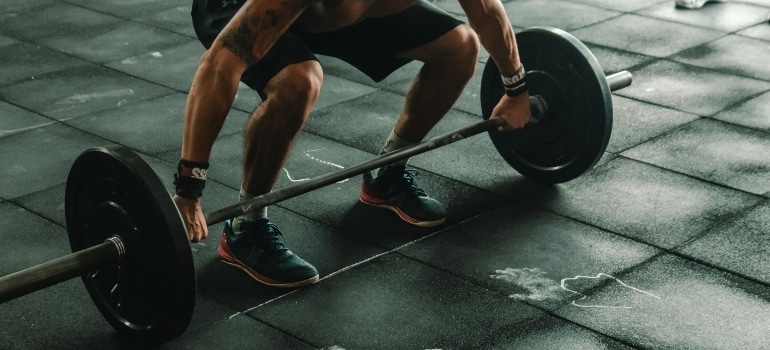
Sleep deprivation also directly impacts performance. Strength, power, and endurance decrease, meaning your usual workout may feel harder while delivering fewer benefits. That’s why trying to “push through” with the same intensity is a bad idea—it places extra strain on your nervous system and muscles without giving your body the recovery it needs.
Should You Work Out When You’re Sleep-Deprived?
Yes—but only with the right approach. Light to moderate movement can actually help improve circulation, boost mood, and reduce stiffness when you’re low on sleep. However, this is not the time for max lifts, intense HIIT, or long endurance sessions.
When you’re sleep-deprived, your nervous system is already under stress. Pushing through a hard workout increases injury risk and slows recovery. Instead, focus on low-impact strength work, mobility, walking, or short sessions that keep your body moving without overwhelming it.
If you feel dizzy, uncoordinated, or unusually weak, it’s better to rest or keep activity very gentle.
Rule of thumb: move to support recovery and consistency—not to chase performance on no sleep.
Best Types of Workouts When You’re Sleep-Deprived
When sleep is limited, the goal of training shifts from performance to maintenance and recovery. The best workouts are those that keep you moving, support circulation, and reduce stress—without overloading your nervous system.
Low-impact cardio like walking, cycling, or using the elliptical is a safe choice. These activities raise your heart rate gently, help fight sluggishness, and can actually improve energy levels without increasing injury risk. Strength training can still be effective, but it should be lighter and more controlled—think fewer sets, moderate weights, slower tempos, and perfect form instead of chasing PRs.
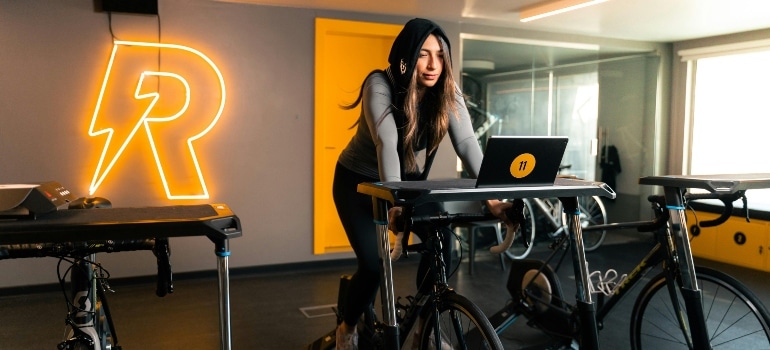
Mobility work, stretching, yoga, or Pilates are especially beneficial when you’re sleep-deprived. These sessions improve joint health, reduce muscle tension, and calm the nervous system, which can aid recovery and even support better sleep later on. Short workouts (20–40 minutes) are ideal, helping you stay consistent without pushing your body deeper into fatigue.
Sample Sleep-Deprived Workout Routines
When you’re low on sleep, shorter and simpler home workouts work best. The goal is to move, not exhaust yourself.
Low-Impact Home Workout Strength (20–25 minutes):
- Bodyweight squats – 2×10–12
- Incline or knee push-ups – 2×8–10
- Glute bridges – 2×12–15
- Resistance band or dumbbell rows – 2×10–12
Rest generously and focus on slow, controlled reps.
Gentle Cardio + Mobility (25–30 minutes):
- Brisk walk (outdoors or treadmill) – 15–20 minutes
- Hip openers, thoracic rotations, light stretching – 5–10 minutes
Recovery-Focused Flow (15–20 minutes):
-
- Cat–cow, child’s pose, deep squats, light core work
- Easy yoga or mobility flow to reduce stiffness and calm the nervous system
| Routine | Duration | Focus |
|---|---|---|
| Low-Impact Home Strength | 20-25 minutes | Bodyweight squats, push-ups, glute bridges, rows — slow, controlled reps |
| Gentle Cardio + Mobility | 25-30 minutes | Brisk walk plus hip openers and light stretching |
| Recovery-Focused Flow | 15-20 minutes | Cat-cow, child’s pose, deep squats, light core workout |
How to Adjust Intensity Safely
When you’re sleep-deprived, use RPE (Rate of Perceived Exertion) to guide your training instead of weights or pace. Keep your effort around 5–6 out of 10, where the workout feels productive but never exhausting. Increase rest times between sets to allow your nervous system to recover and maintain good movement quality. If your form breaks down, coordination feels off, or focus drops, stop the session early. Consistency matters more than intensity on low-sleep days. Many of the best workout apps include RPE tracking, making it easier to adjust workouts safely and avoid overtraining when your body needs recovery.
Nutrition & Hydration Tips to Support Sleep-Deprived Training
When you’re training on little sleep, nutrition becomes even more important. Start with hydration—dehydration worsens fatigue, slows reaction time, and increases perceived effort. Aim to drink water consistently throughout the day, not just during workouts.
Prioritize balanced meals with protein and complex carbohydrates to support energy and muscle recovery. Protein helps limit muscle breakdown, while carbs fuel movement without overstressing your system. Keep caffeine moderate; small amounts can improve focus, but excessive intake raises cortisol and increases crash later.
Post-workout, focus on protein and fluids rather than stimulants. Most importantly, avoid skipping meals—under-eating combined with sleep deprivation places unnecessary stress on the body and slows recovery.
When Rest Is the Best Workout
Some days, rest is the smartest training decision you can make. If you’re severely sleep-deprived, feeling dizzy, unusually weak, or mentally foggy, even light exercise can do more harm than good. Poor coordination and slow reaction time significantly increase injury risk, especially with weights or complex movements.
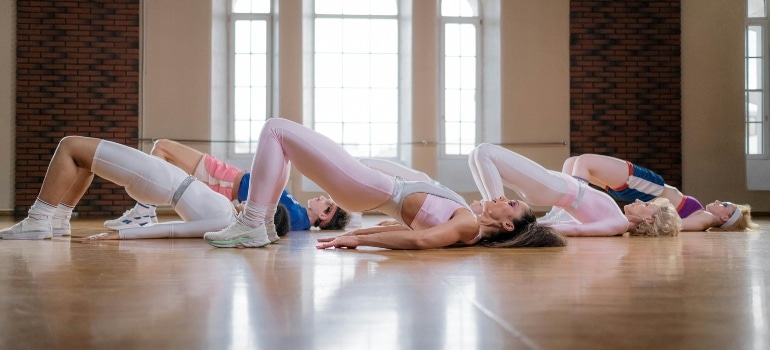
Rest doesn’t mean doing nothing—it can include gentle stretching, breathing exercises, or an easy walk if it feels restorative. Prioritizing sleep, proper nutrition, and hydration will deliver far more benefits than forcing a workout your body isn’t ready for. Listening to these signals helps prevent burnout and keeps long-term progress on track.
The Best Workout Routine When You’re Sleep-Deprived (And Why Pushing Hard Isn’t the Answer)
When you’re tired, smart training always beats hard training. Adjusting intensity, choosing the right type of movement, and knowing when to rest allows your body to recover instead of breaking down further. Listening to your body isn’t a weakness—it’s how long-term progress is built. One bad night of sleep won’t ruin your fitness journey, but repeatedly ignoring recovery can. Staying flexible with your workouts helps you remain consistent without risking injury or burnout. Save this guide, share it with someone who’s always running on low sleep, or try one of the routines from the best workout routine when you’re sleep-deprived the next time rest didn’t go as planned.
FAQ

Is it bad to work out with no sleep at all?
Working out after zero sleep significantly raises injury risk due to impaired coordination and reaction time — if you're severely sleep-deprived, light stretching or rest is safer than any structured workout.
What RPE should I aim for when sleep-deprived?
Keep effort around 5-6 out of 10, where the workout feels productive but not exhausting — this protects your nervous system while still keeping you consistent.
Can exercise help you feel better when you're sleep-deprived?
Yes — light to moderate movement like walking or gentle cardio can boost circulation and mood and reduce stiffness, even on days when you haven't slept well.
Should I skip strength training entirely if I didn't sleep well?
Not necessarily — lighter, more controlled strength training with fewer sets and slower tempos is fine, but skip max lifts or personal records until your sleep improves.


 CALL NOW


