
The Role of Micronutrients in Muscle Recovery and Growth
Find Your Personal Trainer
Published: July 23, 2025
Dubai’s high-performance fitness culture often emphasizes protein, carbs, and fats, but the role of micronutrients in muscle recovery and growth is easy to overlook. Missing out on these key nutrients can slow repair, limit progress, and reduce your strength potential. The city’s extreme climate, distinctive dietary habits, and demanding training schedules can increase your micronutrient needs compared to cooler regions. To see real results, it’s not just about pushing hard in the gym—it’s about fueling your body wisely. Apply these insights to your routine, and you’ll set the stage for lasting gains.
Micronutrients and Their Muscle Functions
Micronutrients are vitamins and minerals your body requires in small amounts but with a big impact on performance. They influence energy production, muscle contraction, and tissue repair. Without them, protein alone cannot achieve peak results.
In Dubai’s gyms, people often focus on macronutrients yet miss the benefits of balanced micronutrient intake. Iron supports oxygen delivery to working muscles. Magnesium assists in energy conversion. Vitamin D aids in muscle strength and calcium absorption. Each one plays a distinct role, and neglecting even one can slow progress.
For those aiming to optimize intake, working with structured nutrition support helps. Plans such as a fitness meal plans Dubai residents love, ensure meals are balanced for both macro and micronutrient needs. It’s not about eating anything that fits your calorie count—it’s about strategic choices.

Micronutrients in Muscle Recovery and Growth: The Missing Link in Many Training Plans
When people think about muscle repair, they picture protein shakes or chicken breast. Yet, micronutrients speed up healing at the cellular level. Vitamin C helps form collagen, vital for repairing connective tissues. Zinc plays a role in rebuilding damaged muscle fibers. Vitamin E reduces oxidative stress after intense workouts.
In Dubai, where competitive bodybuilding and high-intensity group classes are common, recovery speed is essential. Every hour you shorten recovery is an hour you can use for effective training. However, many athletes unknowingly have suboptimal micronutrient levels. That gap is costing them strength, endurance, and long-term gains.
If you are serious about transformation, consider pairing expert guidance with physical coaching. Working with a personal trainer for muscle gain not only improves your training strategy but can help align your diet with muscle recovery demands.
The Heat Factor
Dubai’s climate is hot for most of the year, and this impacts nutrient needs significantly. Extended exposure to heat increases sweat loss, which drains essential minerals like sodium, potassium, and magnesium from your system. Without replenishment, cramps, fatigue, and slower recovery are far more likely.
During summer outdoor sessions, athletes can lose substantial amounts of electrolytes in a single workout. Even indoor training is affected because air conditioning does not fully prevent dehydration. This means your diet must work harder to restore what’s lost.
An effective approach is to increase mineral-rich food intake and plan hydration before, during, and after exercise. For example, magnesium-rich nuts, potassium-packed bananas, and sodium from natural sources like sea salt can be included strategically. You don’t want to guess—you want to know your body’s needs.
In some cases, specific diet plans are required to prevent chronic deficiencies. For example, those on restrictive regimens might unknowingly lower micronutrient intake. A gluten free meal plan Dubai fitness enthusiasts trust can be tailored to keep nutrient levels high while respecting dietary restrictions. The focus should always be on balance, not just exclusion.
Dubai’s heat is not just a comfort factor—it directly affects your nutritional requirements. Be proactive, track how your body responds, and adjust before performance suffers. The faster you act, the faster your body adapts.

Key Micronutrients for Faster Muscle Recovery
When your muscles endure heavy training, they need more than protein to bounce back. Specific micronutrients drive the repair process and help reduce downtime between workouts. Here’s how each plays a direct role in muscle recovery:
- Vitamin C – Supports collagen formation, which strengthens connective tissue and aids in faster injury recovery. In Dubai, fresh citrus fruits from local markets such as oranges, tangerines, and imported berries are excellent sources.
- Zinc – Aids in the rebuilding of damaged fibers and supports immune health, helping you train consistently. Seeds, nuts, and high-quality meats available in Dubai’s premium supermarkets provide this essential mineral.
- Vitamin E – Lowers oxidative stress after intense sessions, reducing muscle soreness and protecting cells from damage. You can find vitamin E in almonds, sunflower seeds, and avocado, all widely accessible in Dubai’s grocery stores.
In Dubai, where many athletes train daily, skipping these nutrients can slow results significantly. Making intentional food choices ensures you are not only training hard but also recovering efficiently for your next session.
Micronutrients in Muscle Recovery and Growth for Peak Performance
When your goal is more than just staying fit, the right micronutrient balance becomes a competitive edge. Magnesium helps muscles relax after contractions, reducing cramping. Iron delivers oxygen to tissues, which is crucial during strength training. B vitamins transform food into energy that your muscles can use immediately.
Athletes in Dubai have access to high-quality foods, but the city’s long training hours demand precision. Missing even one essential vitamin or mineral can hold back progress. To maintain a strong nutrient base, you need a plan designed for performance. This is where a diet plan for muscle gain and fat loss can make a measurable difference. It’s not just about eating; it’s about eating with intention.

Target Growth Through Smart Nutrition
Growth does not happen during training—it happens in the hours after. Your body uses micronutrients to build new fibers and strengthen old ones. Without adequate vitamin D, for example, calcium absorption is limited, weakening muscle potential. Omega-3 fatty acids, while not micronutrients themselves, work alongside minerals to lower inflammation and speed recovery.
For those serious about maximizing muscle mass, having the right support is essential. Working with a personal coach Dubai reccomends can help track both diet and performance. This keeps you engaged, measuring progress instead of guessing. Active monitoring leads to better adjustments and more noticeable gains.
Common Micronutrient Deficiencies in Dubai Gym-Goers
Despite living in a sunny environment, many Dubai residents face vitamin D deficiency. Cultural habits, indoor lifestyles, and high sunscreen use reduce natural production. Low vitamin D limits muscle strength and slows recovery rates.
Iron deficiency is another concern, particularly for endurance athletes who lose iron through sweat. Low magnesium levels are also common due to higher losses in hot climates. Without enough magnesium, muscle cramps, fatigue, and slower repair are far more likely.
The micronutrients in muscle recovery and growth are not always covered by a basic diet. Some gym-goers rely on processed snacks or quick meals, missing essential nutrients their muscles need. This creates a hidden gap between their training effort and their actual results.
Addressing these gaps requires intentional planning. Including iron-rich meats, magnesium-rich leafy greens, and fortified dairy can reverse deficiencies over time. Pair this approach with a varied workout routine and adequate rest, and you’ll notice faster, stronger gains.
For those already training hard, upgrading your nutrition strategy can be the missing link. Combining proper intake with targeted exercise such as fat burning workouts ensures you are not just burning energy but also rebuilding stronger muscles. In Dubai’s competitive fitness environment, this could be the edge that sets you apart.
How to Source High-Quality Micronutrients in Dubai
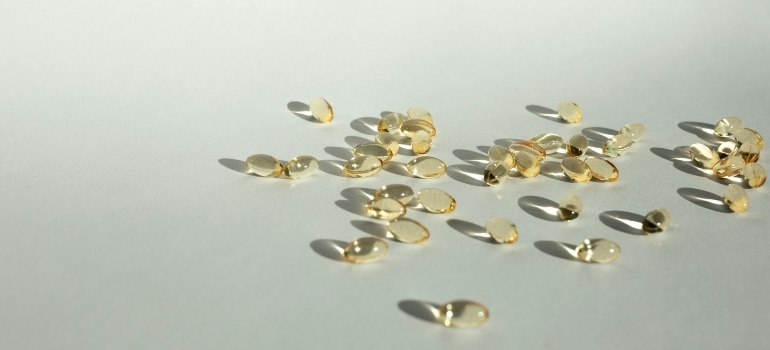
Access to nutrient-rich foods in Dubai is excellent if you know where to look. Local farmers’ markets offer seasonal produce loaded with vitamins and minerals. Organic stores carry imported fruits and vegetables that are tested for quality. Supermarkets often have dedicated sections for sports nutrition, including fortified dairy, cereals, and supplements.
For athletes who train daily, convenience matters. You need quick access to nutrient-dense meals that fit your lifestyle. A smart strategy is to shop with a list that matches your training demands. Planning in advance prevents nutrient gaps and wasted effort.
Micronutrient Timing
The timing of micronutrient intake affects how well your muscles recover. Consuming magnesium and potassium soon after training can reduce soreness and improve performance the next day. Vitamin C and protein work well together to rebuild tissue and strengthen tendons.
In Dubai’s climate, hydration timing is equally important. Start replenishing fluids and minerals during training, not just afterward. This approach reduces the risk of cramps and speeds up recovery. When possible, combine your micronutrient intake with protein-rich snacks. For example, you could pair with a protein snack after a session for both repair and growth.
Dubai’s Food Advantage
Dubai’s food scene is a major advantage for athletes. The city imports high-quality produce from around the world, making it easier to meet daily nutrient needs. From fresh berries for antioxidants to locally caught fish for vitamin D, options are plentiful.
Still, choice alone does not guarantee results. You must select foods that fit your training style, recovery needs, and personal health goals. This is where professional guidance can save time and improve accuracy. Many find that working with a diet professional ensures every nutrient supports their workout plan.
Quick Micronutrient Sources in Dubai Life
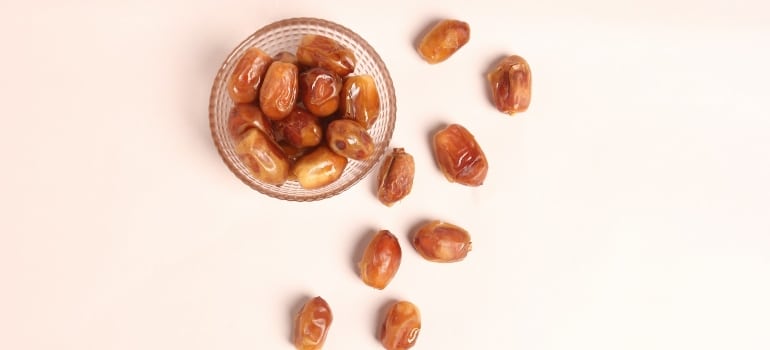
Daily life in Dubai offers unique nutrient opportunities. Traditional foods such as dates are packed with potassium and magnesium. Fortified laban can provide calcium and vitamin D in a refreshing drink. Camel milk contains B12 and calcium, supporting nerve and muscle function.
By making conscious choices, you build a nutritional foundation that matches the city’s active lifestyle. Your muscles will respond faster, and your recovery windows will shorten. The key is consistent action—not leaving nutrition to chance.
Hydration and Electrolyte Balance
Training in Dubai’s heat changes the way your body handles recovery. High temperatures and low humidity mean you lose fluids and electrolytes faster than in cooler regions. This loss is not just about water—it includes essential minerals like sodium, potassium, and magnesium, all of which are critical micronutrients in muscle recovery and growth. Without these, muscle contractions weaken, repair slows, and fatigue sets in earlier than it should.
When sweat rates climb, your body’s mineral reserves drop. Sodium helps regulate fluid balance, potassium supports muscle function, and magnesium reduces cramping and supports energy production. If you ignore this side of nutrition, even the best training program will feel harder, and results will take longer.
Athletes in Dubai should plan hydration before, during, and after workouts. Drinks enriched with electrolytes can help, but so can food choices. Bananas and dates offer potassium, nuts provide magnesium, and lightly salted meals can replace sodium losses. Combining these strategies helps restore balance and speed recovery.
For those who train daily, tracking hydration and mineral intake is as important as tracking sets and reps. Make it a habit, not a last-minute fix. When you actively maintain your electrolyte balance, you protect your performance and prepare your muscles for the next challenge—no matter how intense the Dubai heat gets.
Customize Your Diet to Match Training Intensity and Micronutrient Needs
Not every training day calls for the same nutritional approach. In Dubai’s active fitness culture, adjusting your diet to match your workout intensity is one of the most effective ways to keep micronutrients in muscle recovery and growth at optimal levels. Heavy lifting sessions demand higher amounts of magnesium, zinc, and vitamin D to boost strength and repair. On endurance-focused days, your body benefits from increased iron and potassium intake to maintain steady energy output.
A frequent mistake is eating the same way daily, regardless of workload. This habit can create nutrient gaps or unnecessary excesses. By tailoring your meals, you provide exactly what your muscles need when they need it.
Local food options make this customization simple. On high-intensity days, include fatty fish like salmon or hammour for vitamin D, along with leafy greens for magnesium. When following a structured eating plan, such as a keto meal plan Dubai loves, you can still target micronutrient needs by incorporating low-carb, nutrient-rich choices like spinach for magnesium and eggs for vitamin D. During lighter training or recovery days, focus on vitamin C-rich fruits and iron-packed meats to restore and strengthen tissue.

Elevate Your Fitness Through Precision Nutrition
If you train in Dubai, ignoring micronutrients is a costly mistake. The micronutrients in muscle recovery and growth are as critical as the training itself. Dubai’s climate, workout culture, and food access make it possible to reach your goals if you act intentionally. Invest effort in sourcing, timing, and balancing these nutrients daily. By staying proactive and strategic, you give your muscles the best chance to recover and grow stronger every week.


 CALL NOW


